Swimming Pools
Plunge pools / fit ledger
A plunge pool is a property decision.
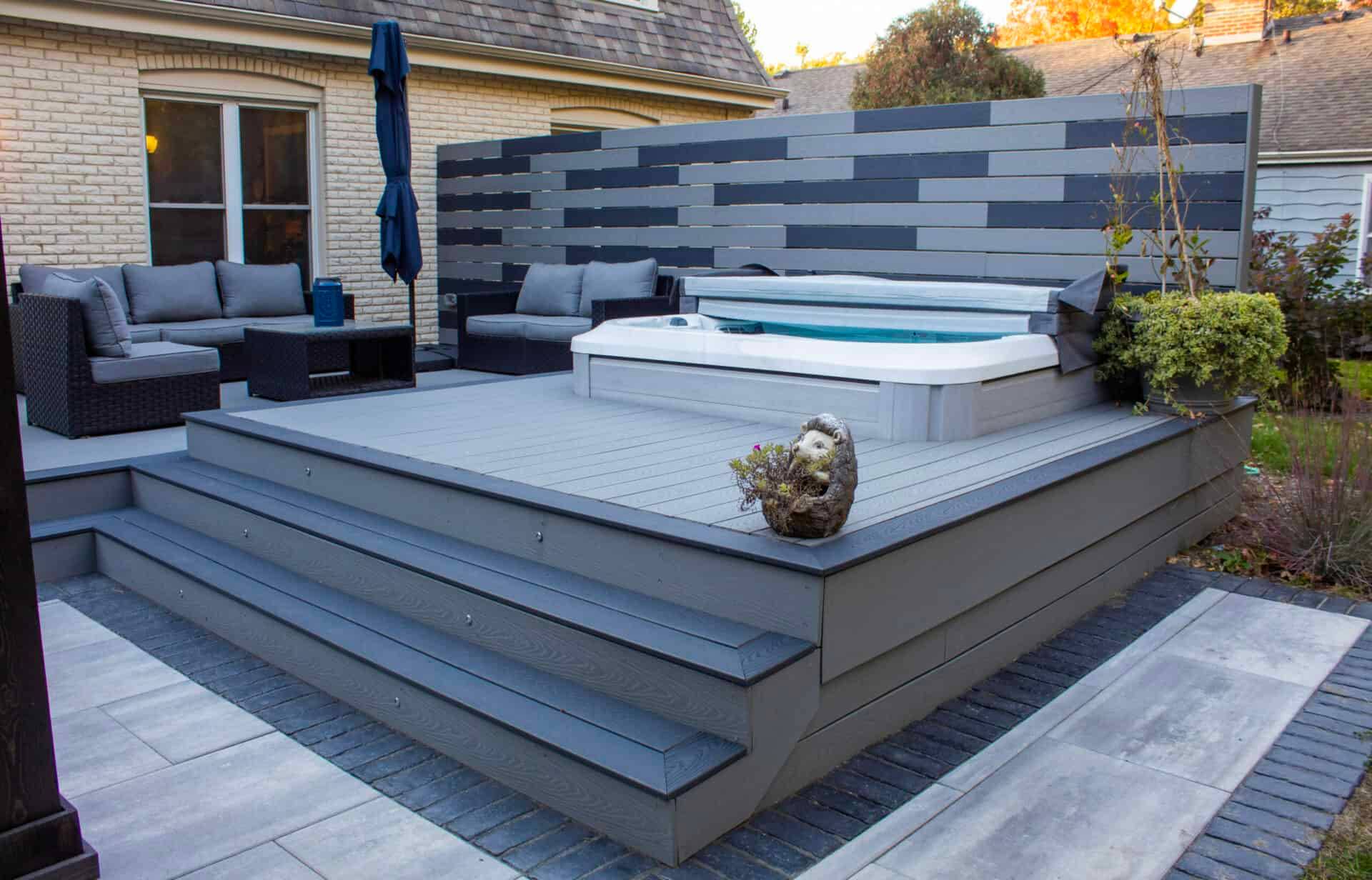
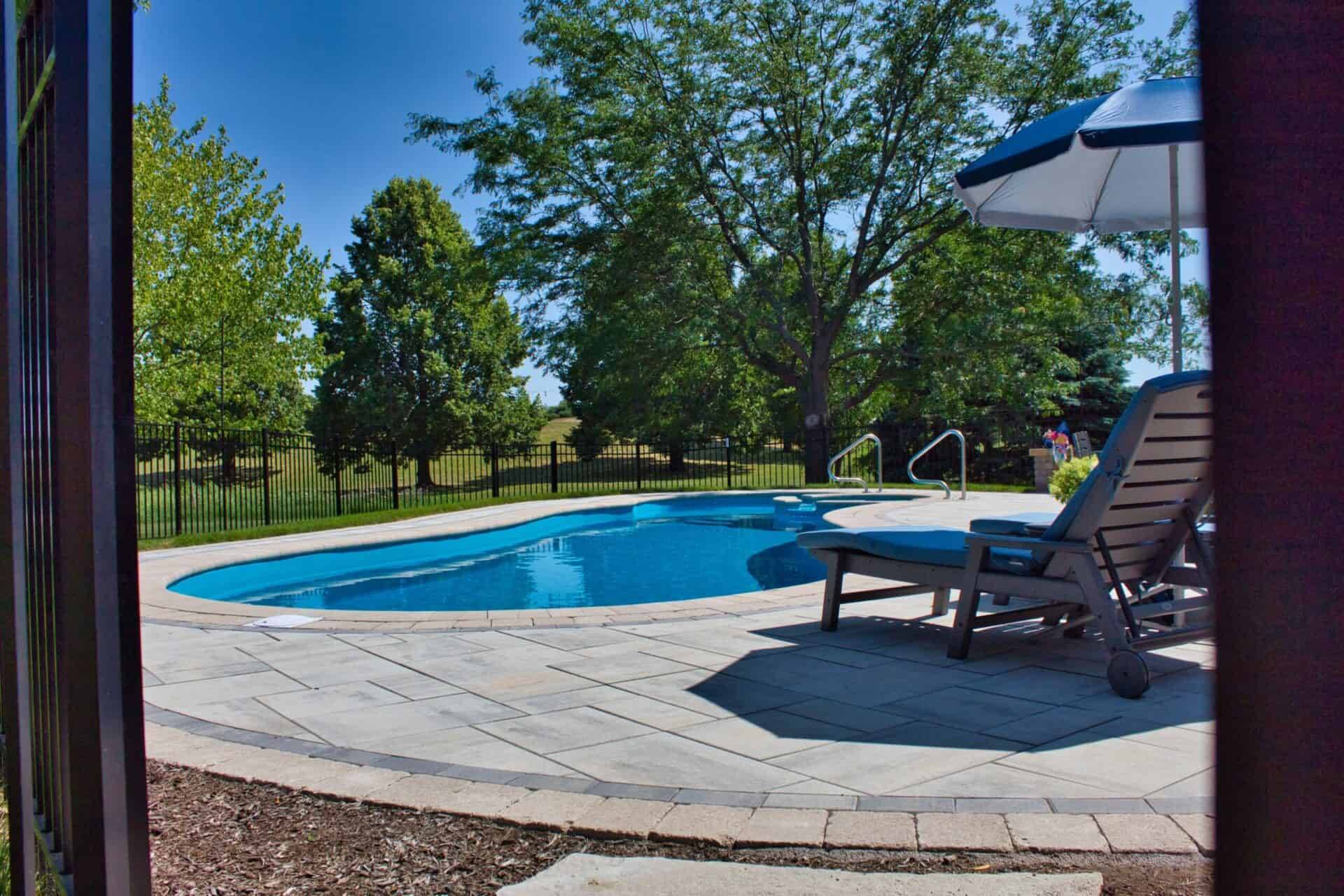
The point of this compact format is to create a smaller pool option when the intended use, available space, and overall property plan call for it.
“Cocktail pool,” “spool pool,” and “small pool” can signal adjacent layout questions; the design brief determines the right fit.
Start here
What should the water area do?
Define the intended use before treating compact dimensions as the answer.
Then test
What must the property hold?
Assess site conditions, access, selected pool type, and the surrounding outdoor plan together.
The trade-off, plainly
A smaller footprint protects room for the rest of the project.
What it can clarify
A smaller water footprint
This planning conversation is useful when owners want the pool and the rest of the property considered together.
What it does not settle
Whether compact is enough
The difference from a regular pool is the compact footprint and the water area it provides. A smaller format can limit the water area available for the uses the household has in mind.
Questions with different owners
Do not use the pool type to answer everything.
Is a plunge pool cheaper to build?
Cost belongs with the small-pool cost review because size, material, features, and full project scope all affect the answer. Review plunge and small-pool cost drivers.
Are plunge pools worth the money?
That value decision belongs with the same cost review, where the intended use and total project scope can be considered together. Consider the cost drivers.
What size is ideal, and what does it need to become?
There is no universal ideal size. The pool-design brief assesses the property and intended use before dimensions are decided. Start with pool design.
Can it be a do-it-yourself build?
Permits, engineering coordination, and the selected project scope must be understood before a build path is assumed. Review permits and engineering.
A useful next brief
Bring the space-and-use question into the full pool plan.
Pool type, material, features, permitting, and build scope are considered together. Lifespan is not established by the “plunge” label alone; compare the available pool options with the project scope in view.
For the broader decision context, see the Wave Outdoors Pools approach.