Keep
- Question
- Which parts still function and still fit the way you use the yard?
- Outcome
- A clear list of elements that should remain undisturbed.
Existing Pools / Renovation
Wave renovates existing pools. A renovation brief separates the pool and waterline, deck and coping, equipment and features, and the surrounding yard so a proposed change has a clear boundary before connected work is added to the scope.
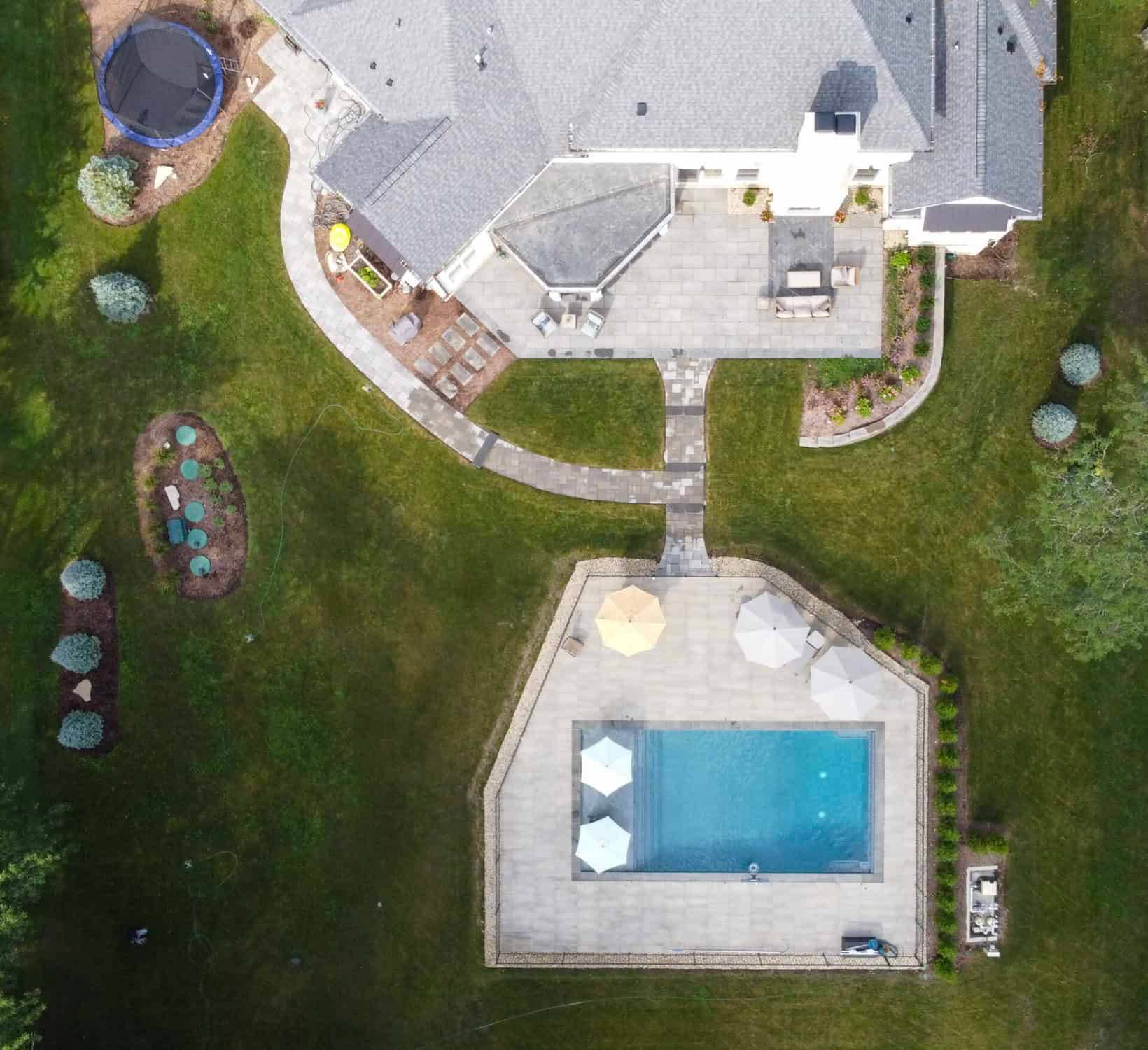
This photograph confirms a Wave pool project, not a renovation sequence, construction date, location or work performed.
Decisions before selections
A useful renovation plan separates the pool you have from the experience you want. Start with the parts that feel worn, awkward, difficult to use, or disconnected from the yard.
After reviewing the current pool and property, Wave develops a written scope around condition, intended use, and connected work instead of applying a preset package. Village-permit and engineering coordination are handled for pool projects; project-specific requirements remain subject to the approved plans.
Keep what still serves the plan. Change what prevents the pool and yard from working as one outdoor room.
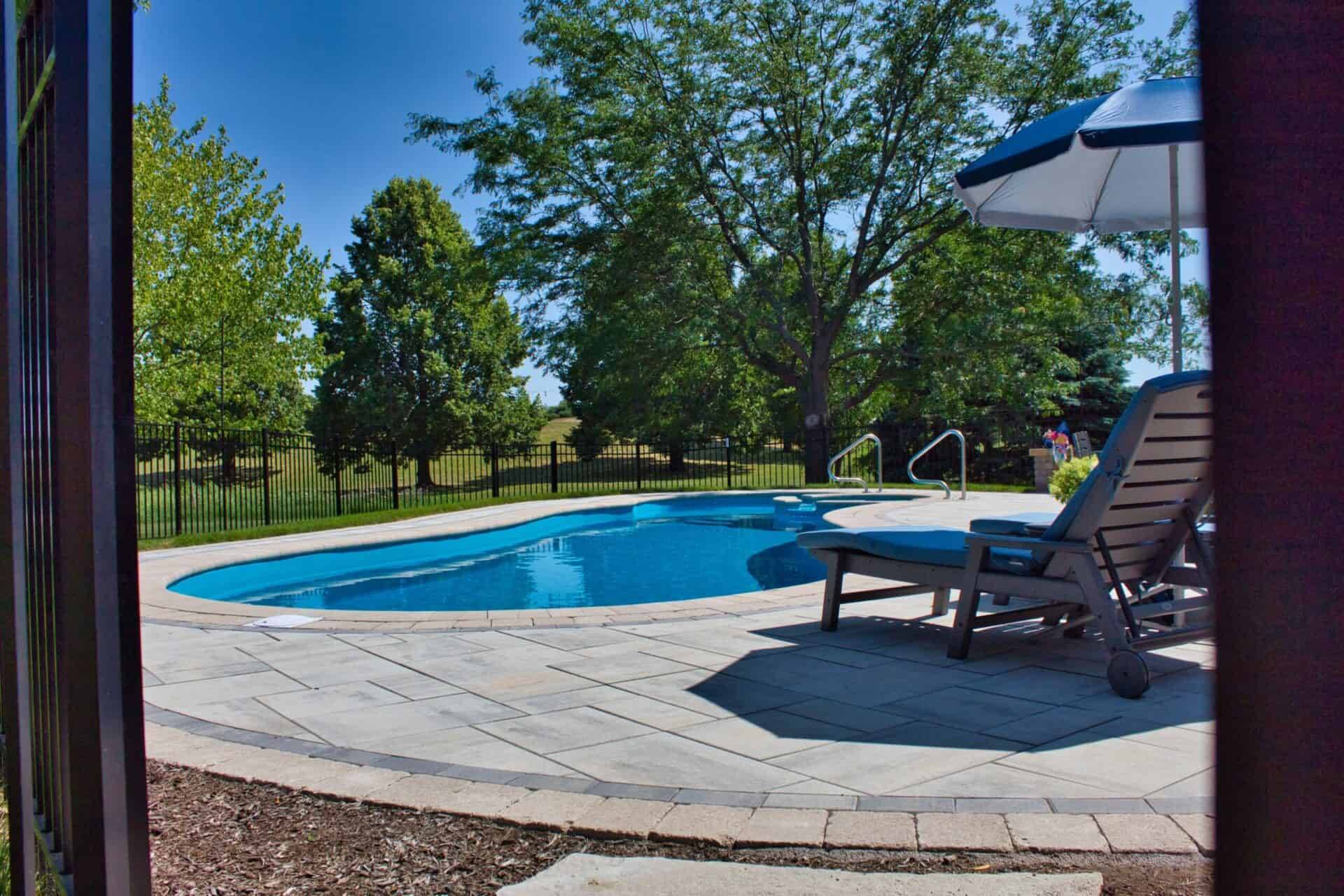
Separate the conversation into four zones: the interior and waterline, the deck and coping, the pool equipment and features, and the larger outdoor environment. Each zone changes a different buyer decision—water-facing finish, walking and edge conditions, use and control, or circulation and grade—so priorities are clear before materials or finishes enter the discussion.
For deeper planning, review interior-finish questions, deck resurfacing or replacement, liner-renewal education, and renovation ideas by problem.
Build the right brief
A strong swimming pool remodel brief names the problem, the must-keep elements, and the work that can be considered together.
Renovation cost is shaped by size, materials, features and the breadth of work, including full-project design and permitting coordination versus build-only work. Use the renovation cost guide to organize the conversation, or compare the project with a new pool plan when too little of the existing setting still fits. Contact us to discuss project budgets and payment options.
Design-led planning
Share wide views of the pool and yard, close views of the areas that concern you, and the changes you want to feel when the project is complete.
Separate essential corrections from comfort, visual, and outdoor-living priorities so the core decision stays visible.
Wave begins with an extensive site assessment, handles village permits and engineering coordination, and involves engineers or architects when project conditions require them.
Design development, permitting, planned work and season shape when work can start and how it proceeds. Warranty coverage is available; the proposal should identify the current terms for included pool systems and components. Licensed & Insured.
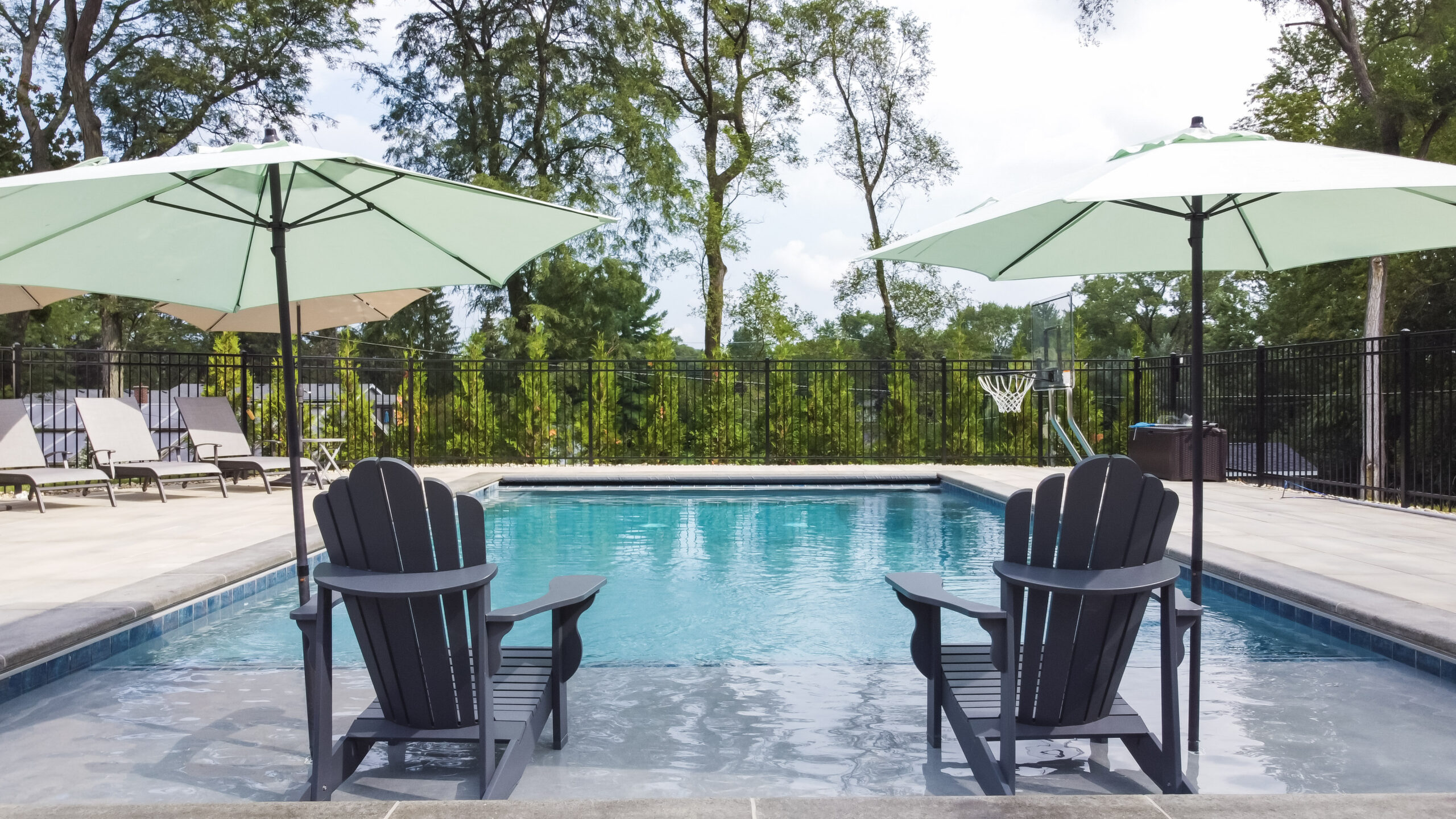
A Wave pool project shown as finished-setting proof, not as a staged renovation sequence or evidence of work performed.
Send wide and close photographs of the existing pool, name the changes you want and request a consultation. The next step is a site assessment that separates keep, change and coordinate decisions.