Condition
- Inspect
- The current deck, cracks or movement, transitions, and areas that collect concern.
- Decide
- Whether the existing base is a candidate for a renewed surface.
Pool deck resurfacing renews the walking surface when the existing deck is suitable to remain; replacement creates a new surround when condition or redesign calls for a deeper change.
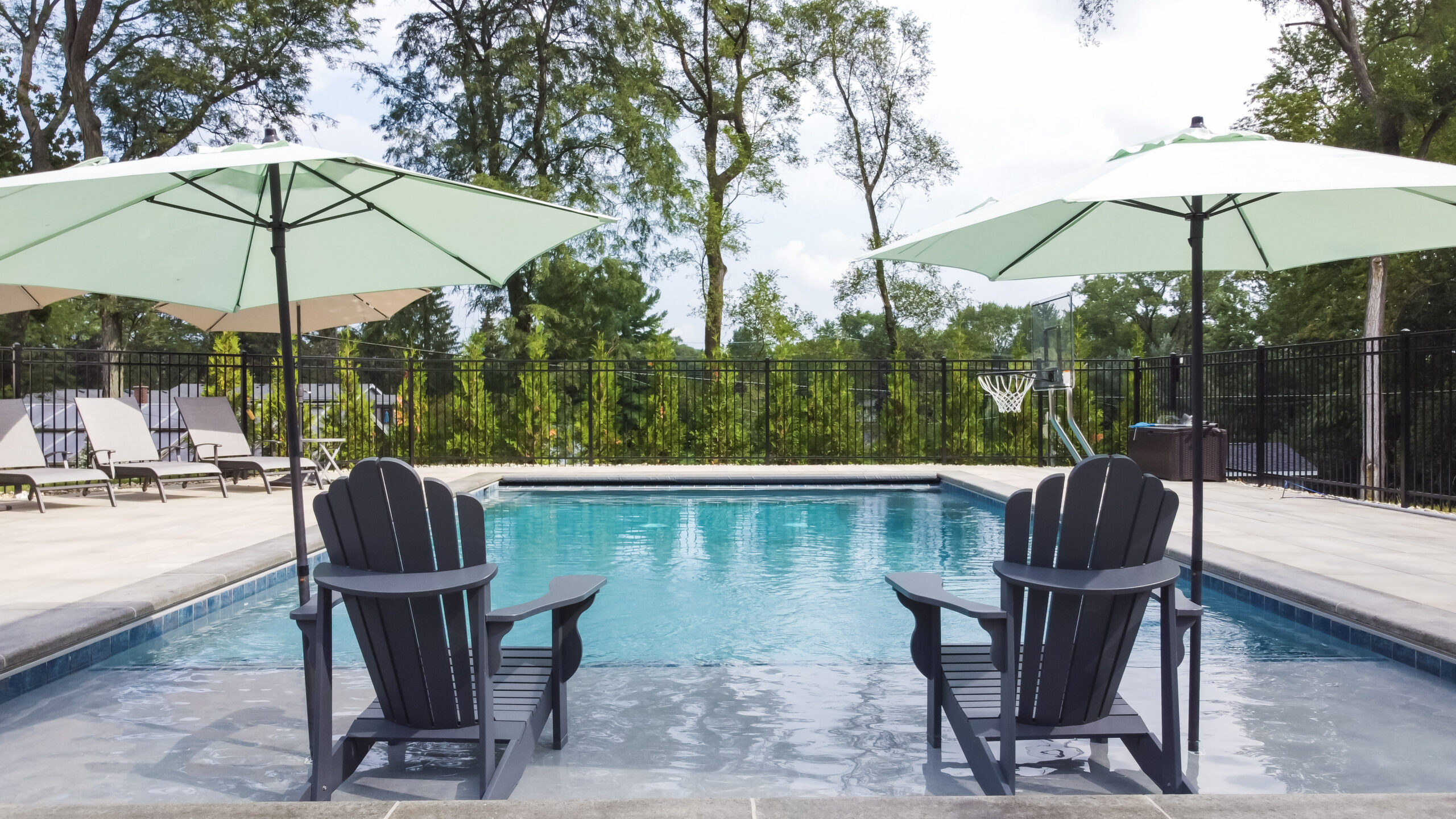
A Wave pool project with a broad deck connecting the water to the yard
Reuse or replace
Wave offers pool-deck resurfacing and replacement. The first decision is whether the current deck can support the selected surface and still serve the new plan; when it cannot, pool deck replacement may be the more coherent scope.
Look beyond color. Condition, drainage, grade, joints, coping transitions, steps, and the way people move around the pool define whether renewal or replacement is the more coherent scope.
Choose texture and color after deciding whether the deck should remain, not before.
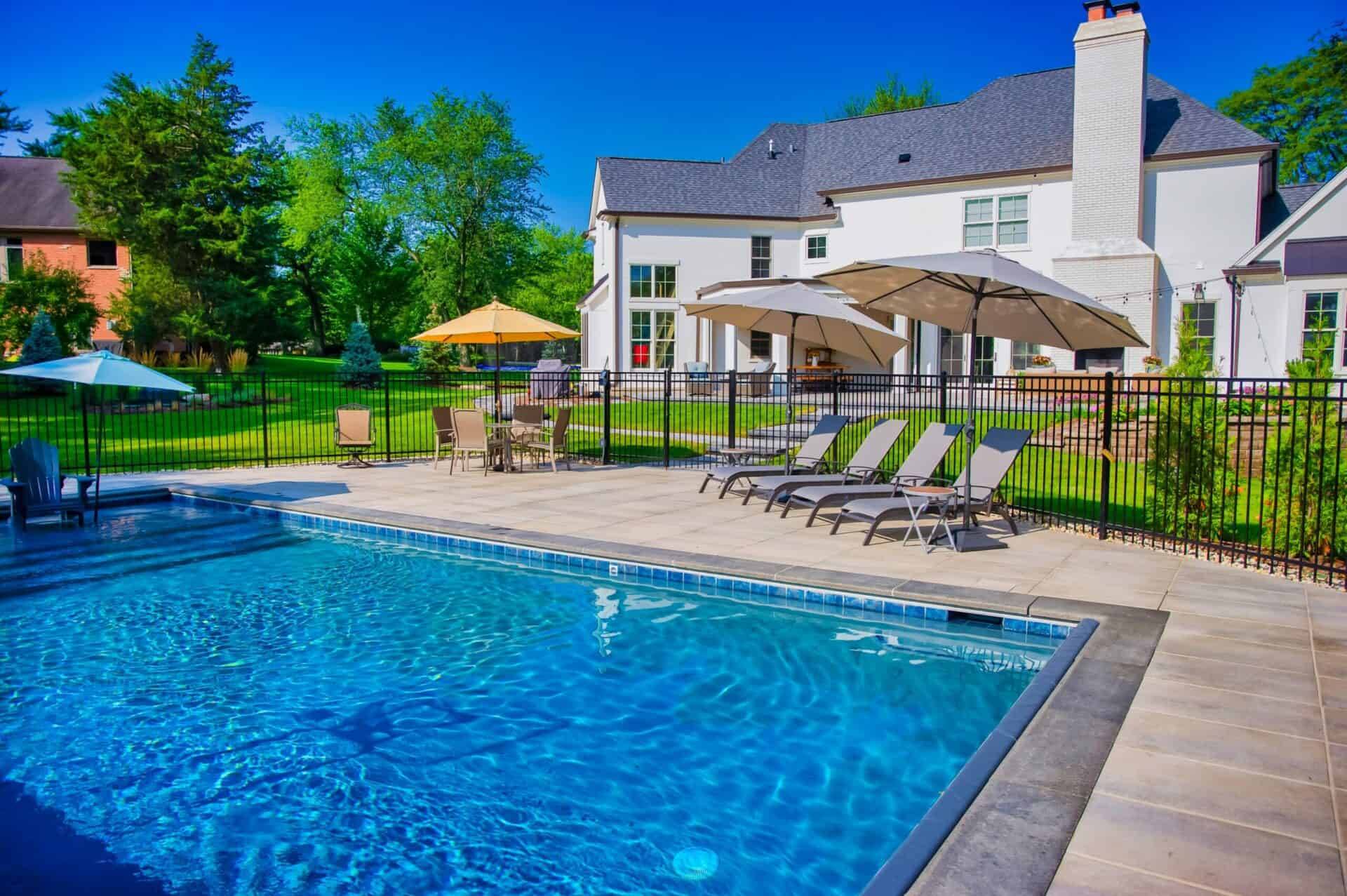
A new finish addresses the walking surface. Replacement can also change layout, edges, access, and the relationship between the pool and the rest of the yard. Keep those two outcomes distinct when comparing proposals.
Review the wider pool deck options, then coordinate any coping question with the surrounding surface.
The best way to renew an existing pool deck is to assess the slab, drainage, grade, joints, coping transitions, and intended use before selecting a surface. When those conditions support the plan, resurfacing can be appropriate; when they do not, replacement may be the clearer scope.
Compare concrete deck planning with the broader renovation scope. Questions about cost or least-cost options belong in the cost-driver guide, after the reuse-or-replace decision is clear.
Include the pool edge, house connection, steps, drains, shaded areas, seating zones, and the worst-looking sections.
Decide whether the goal is surface renewal, selective coordination, or a new deck layout.
Set expectations for drainage, grade, coping, joints, and adjacent materials before finish approval.
Request the selected material, preparation, exclusions, sequencing, and available warranty coverage in writing.
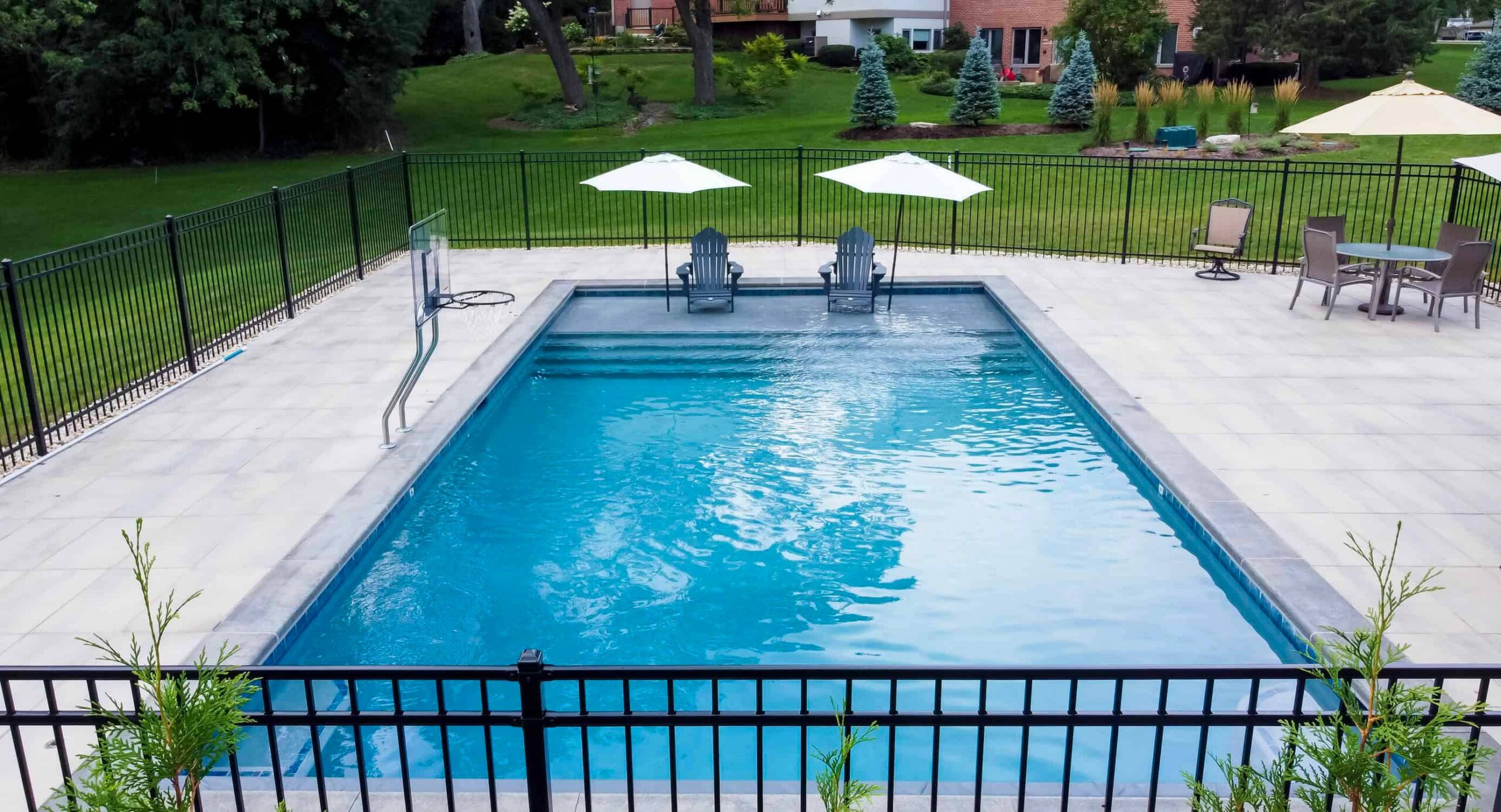
A Wave pool project showing the deck as part of a complete outdoor circulation plan
Compare like with like
Ask each proposal to identify the existing condition, selected surface, preparation, transitions, and the work that is included or excluded. That makes a renewed surface and a new deck easier to compare without turning one into a substitute for the other.
If the question is whether a pool deck should be painted, renewed with a purpose-designed system, or replaced, compare the preparation, wet-area suitability, finish behavior, and available warranty coverage for the selected scope.
Request a consultation about renewing or replacing an existing pool deck and include photographs of the pool edge, drainage points, steps, and surrounding yard.