Pool decks
Pool decks · poured surface
Concrete pool decks planned around finish, drainage, joints, and the surrounding poolscape.
Wave offers pool-deck replacement and resurfacing as part of pool-environment work. Ask whether this material path fits the specific project.
The decision is not “concrete or not” in isolation: it is how the finish, grade, edge details, and maintenance fit the pool and property.
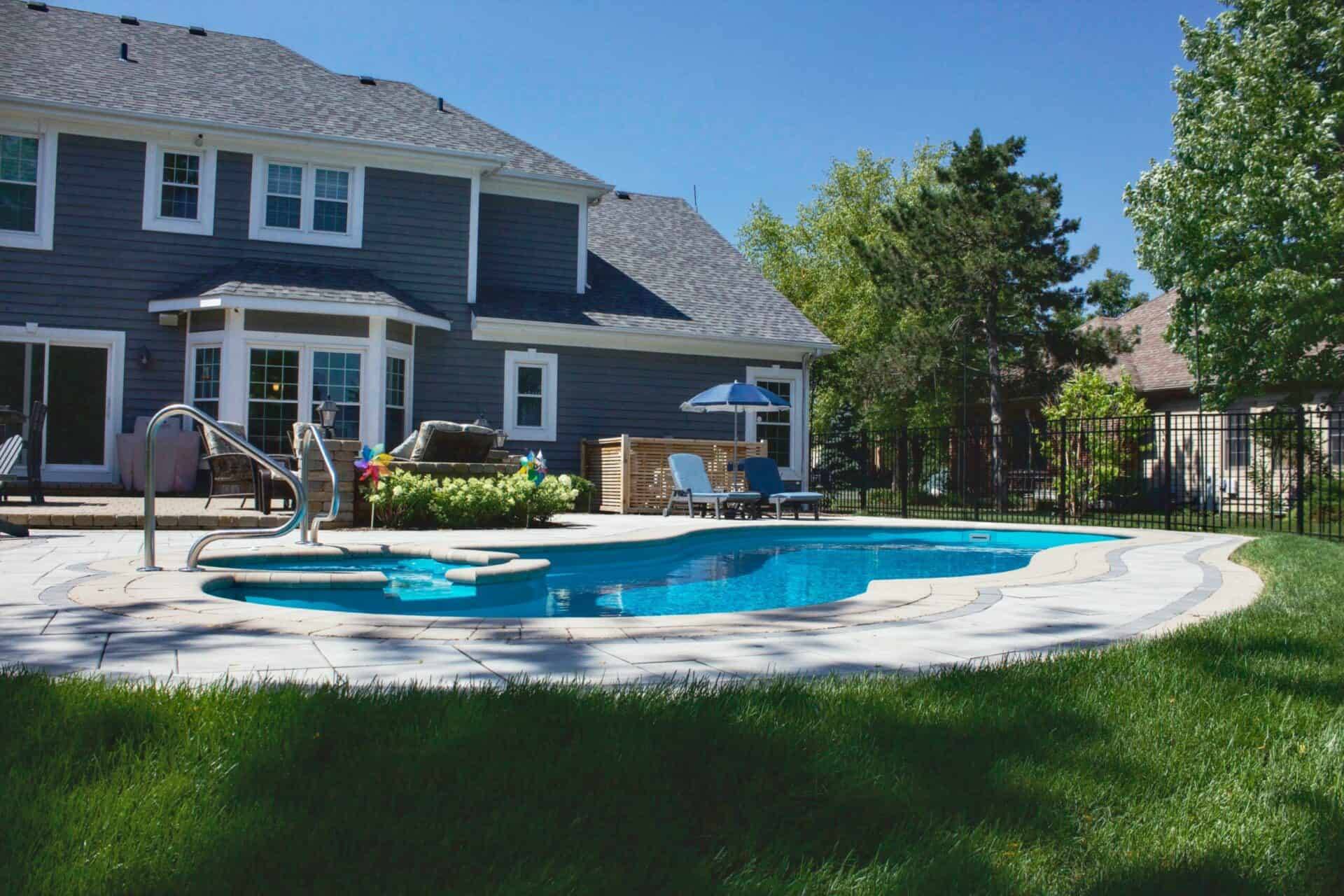
The surface, coping, drainage, and adjacent spaces are one design decision.
Decision criteria
What should be resolved before choosing a concrete pool deck?
Start with the finish you want underfoot and in view, then work through drainage, the relationship to coping, planned joints, the site’s grade, and future maintenance. These details should be considered alongside the pool shape and outdoor-living plan rather than after the surface has been selected.
There is no universal deck thickness for every property. The approved assembly, loads, base conditions, drainage plan, and project documents determine what belongs in the build.
| Factor | What to resolve |
|---|---|
| Finish | The intended texture, pattern, color, and relationship to the poolscape design. |
| Drainage and grade | How water movement and site conditions are addressed around the pool. |
| Joints and edges | How the deck field transitions to coping, structures, and adjacent hardscape. |
| Care | The maintenance plan and written coverage for the selected scope and components. |
Explore paver deck planning, pool coping, and the pool-decks hub.
A continuous surface, coordinated
The deck should be designed as part of the property’s water-management and finish plan.
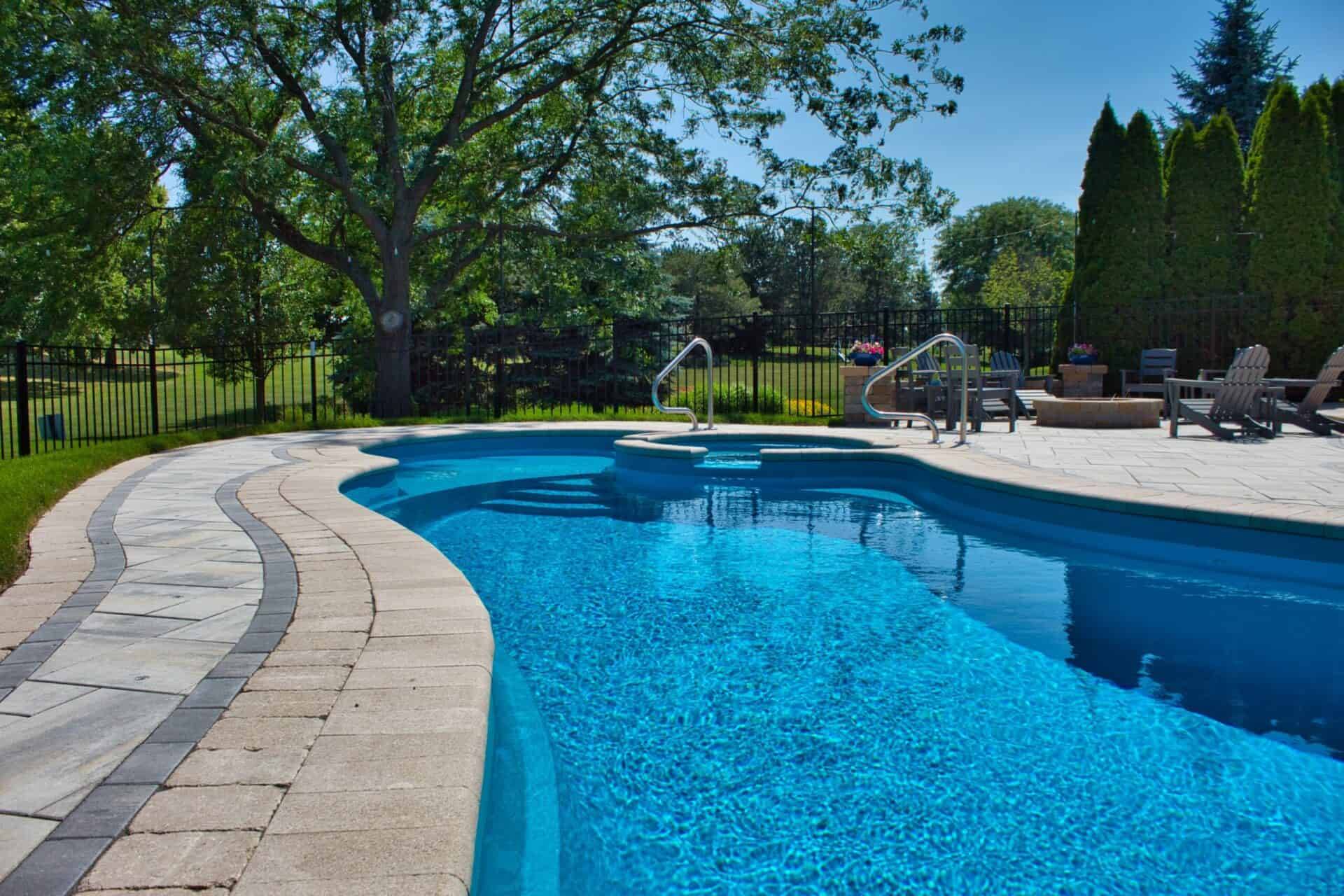
A concrete surface needs deliberate decisions about slope, drainage, joints, the pool edge, and how it meets nearby hardscape. In slab-on-ground concrete, joints are planned details that help limit the frequency and width of random cracking from volume changes; their layout belongs with the deck’s drainage and transition plan.
The best way to compare a poured surface with other deck materials is to review the project conditions, intended finish, maintenance expectations, and transitions to the rest of the outdoor environment. Avoid a blanket claim about cost, longevity, or site performance without an assessment.
Planning sequence
Set the design decisions before the surface becomes permanent.
Assess the site and scope
Review grade, drainage, access, the pool shape, adjacent structures, and whether the work is part of a full project or a deck-focused scope.
Choose the surface expression
Coordinate finish, color, texture, coping, and the transitions into the broader poolscape.
Resolve drainage and detail work
Plan the grade, joints, and edge conditions for the actual property and selected layout.
Review future care
Discuss maintenance expectations and the written coverage for the selected scope and components.
Common questions
Questions about poured-surface planning.
The cost question depends on the size, finish, site conditions, drainage work, access, and whether the project includes the wider pool environment. Wave does not publish a fixed price; contact Wave to discuss project budgets and payment options.
It does not have to match, but the edge transition should be designed with the deck finish, pool shape, and surrounding materials in mind. Review the choices together rather than as separate selections.
Wave offers pool-deck replacement and resurfacing. Ask about the existing condition, access, drainage, and desired scope so the project can be assessed correctly.
Make the deck part of the total pool design.
Bring the site, desired finish, and pool plans to a consultation. Wave can help determine how the surrounding surface fits the project.