Pool decks
Pool decks · unit pavers
Paver pool decks planned around drainage, movement, finish, and future care.
Wave offers pool-deck replacement and resurfacing as part of the surrounding pool environment work. Ask whether this material path fits the project.
The right choice comes from the site conditions, the surface you want underfoot, and how the deck must work around the water.
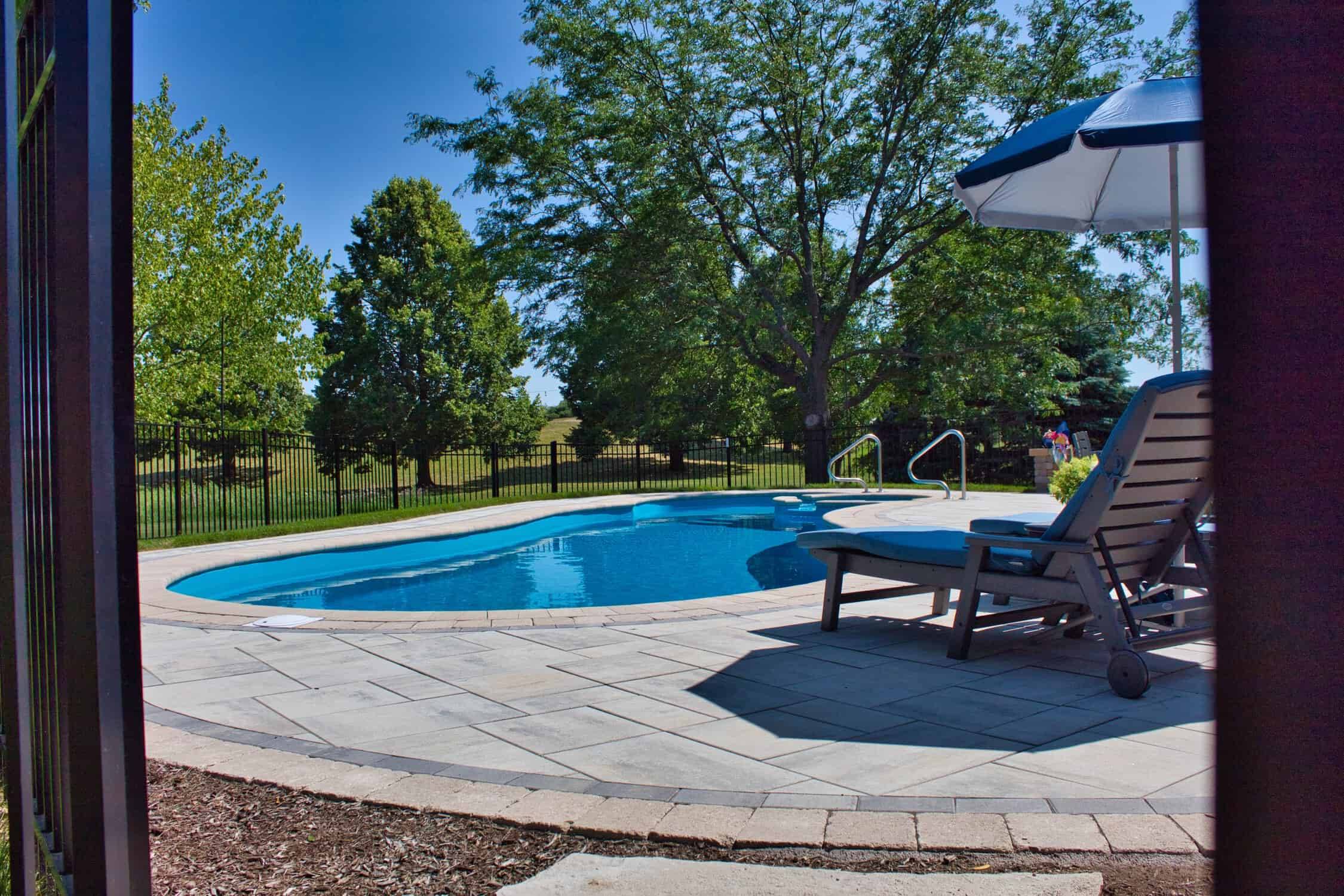
The deck, coping, drainage, and pool edge read as one finished environment.
Decision criteria
What should you compare when choosing a paver pool deck?
Compare how the surface will drain, how the ground conditions and edges are handled, the pattern and finish you want underfoot, and what future maintenance or repair access may mean for the full project. Those questions are more useful than treating all units or all yards as the same.
| Factor | What to resolve |
|---|---|
| Drainage | How surface water and the surrounding grade are coordinated with the pool environment. |
| Movement and edges | How the base, joints, and perimeter work with the property conditions. |
| Finish | Pattern, color, texture, and the relationship to coping and landscape materials. |
| Care | How the selected material and joint system will be maintained and assessed over time. |
Wave can coordinate the deck conversation with pool coping, grading and retaining-wall planning, and the pool-decks hub.
Surface as a system
The lasting decision is how the deck connects to the site, not just what it looks like on day one.
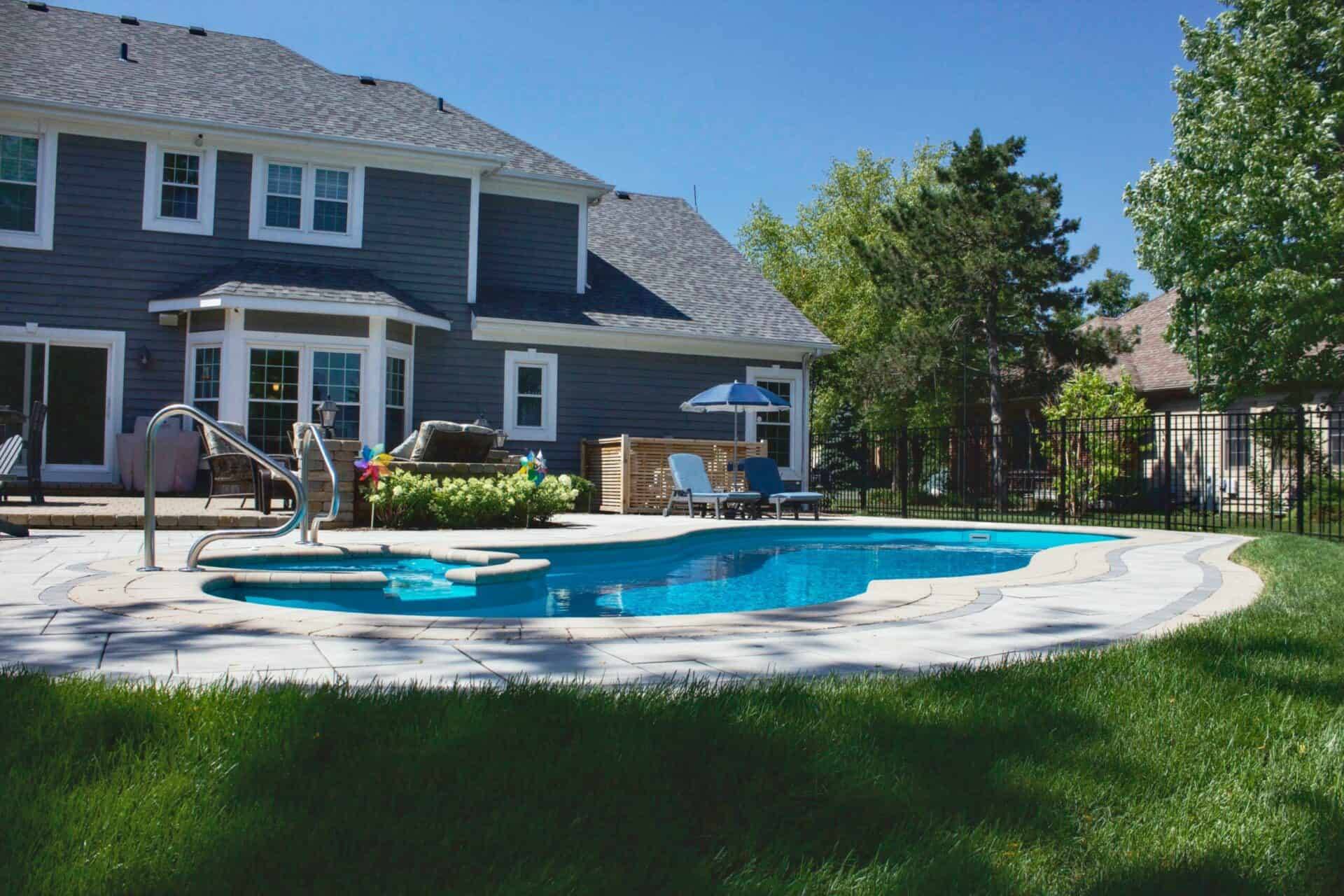
A paver field is a system of individual units, joints, a prepared base, and perimeter details. The existing slab must be assessed and any cracks or settlement issues addressed before this approach is selected. Choose it when the pattern, border, pool edge, transitions, drainage approach, and care expectations work together for your site—not because a paver sample looks good by itself.
A material comparison belongs in the same discussion as concrete, travertine, coping, and the landscape around the water. The answer should be specific to the site and scope rather than a blanket claim about performance, cost, or lifespan.
Planning sequence
Resolve the surface before it becomes a finished constraint.
Assess the site
Review grade, drainage conditions, access, pool geometry, and adjacent landscape elements.
Choose the material expression
Coordinate unit type, pattern, color, texture, coping, and the larger poolscape design.
Plan the supporting work
Resolve the base, edge, and drainage approach for the conditions of the specific project.
Document care expectations
Review the selected material’s maintenance needs and the written coverage that applies to the chosen components.
Common questions
Questions about material and site fit.
Wave offers pool-deck replacement and resurfacing. Ask about the existing pool, deck condition, access, and desired scope so the project can be assessed correctly.
Wave does not publish a fixed price for this scope. Size, material, site conditions, drainage, features, and full-project versus build-only scope affect the project budget. Contact Wave to discuss project budgets and payment options.
Bring the whole pool environment into the deck decision.
Tell Wave about the existing or planned pool, the site, and the surface you are considering. The consultation can determine how the deck fits the wider design.