Comparisons
Comparisons · Chicago's North Shore & Northwest Suburbs
There's no single best inground pool type,
only the one that wins
your comparison.
Shell material, shape, budget, timeline, and how you'll keep the water clean: five separate decisions get lumped into one search. Compare the two options that actually apply to you.
Every version of "which pool type is best" is really five different questions wearing one costume. Below are the comparisons homeowners across Chicago's Northwest suburbs actually work through before choosing a pool, each one settled on its own page.
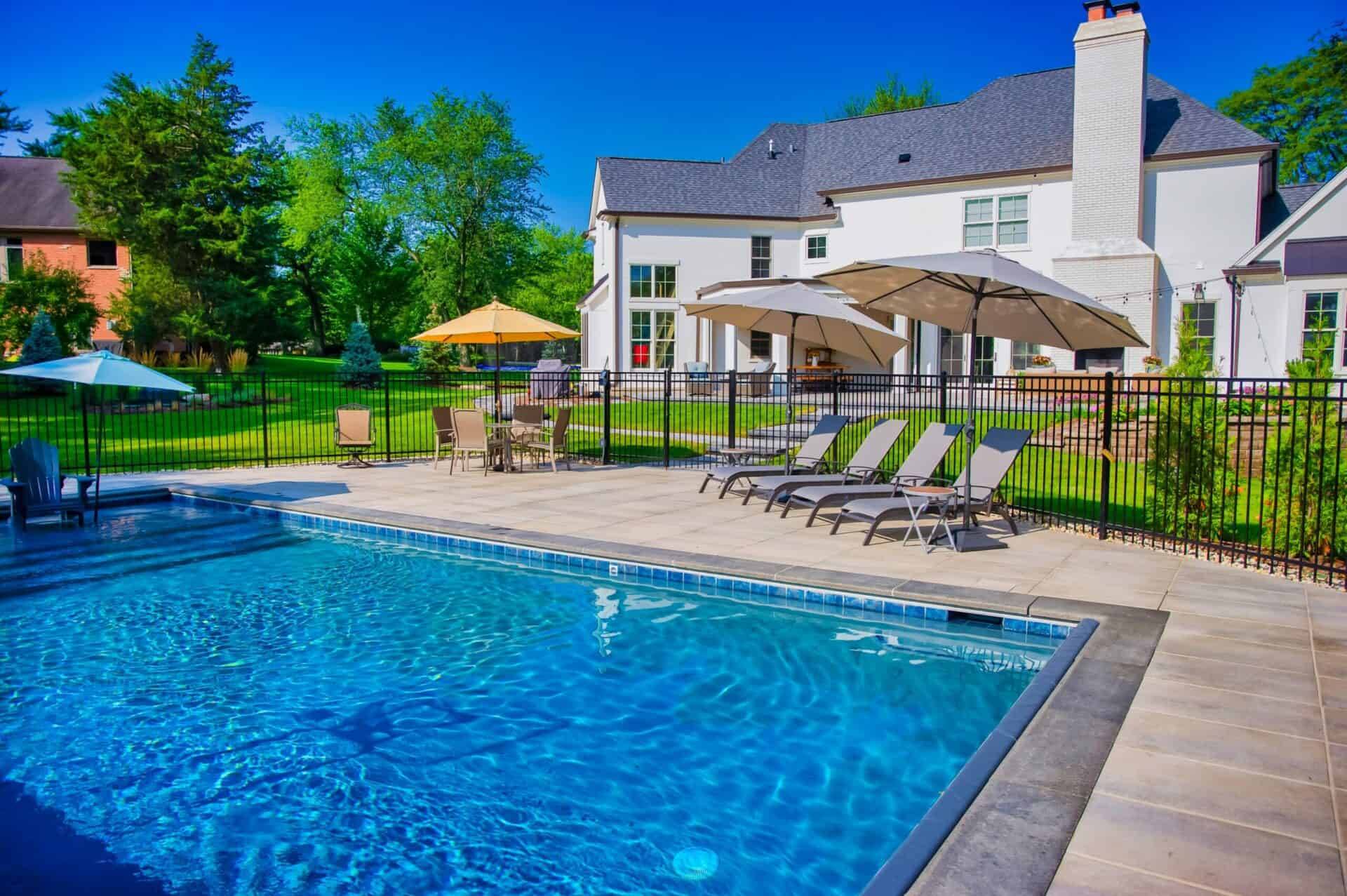
Chicago's North Shore & Northwest Suburbs
Five decisions, not one ranking
Pick the comparison that matches the decision in front of you.
Search "pool type comparison" long enough and you'll find five different arguments, because it's five different questions: which shell to build, which shape you actually need, how much of the budget goes into the shell versus everything around it, how long you're willing to wait for water, and how you'll sanitize that water once it's in. Each comparison below settles one of those, on its own terms, covering the full range of types of inground pools we build.
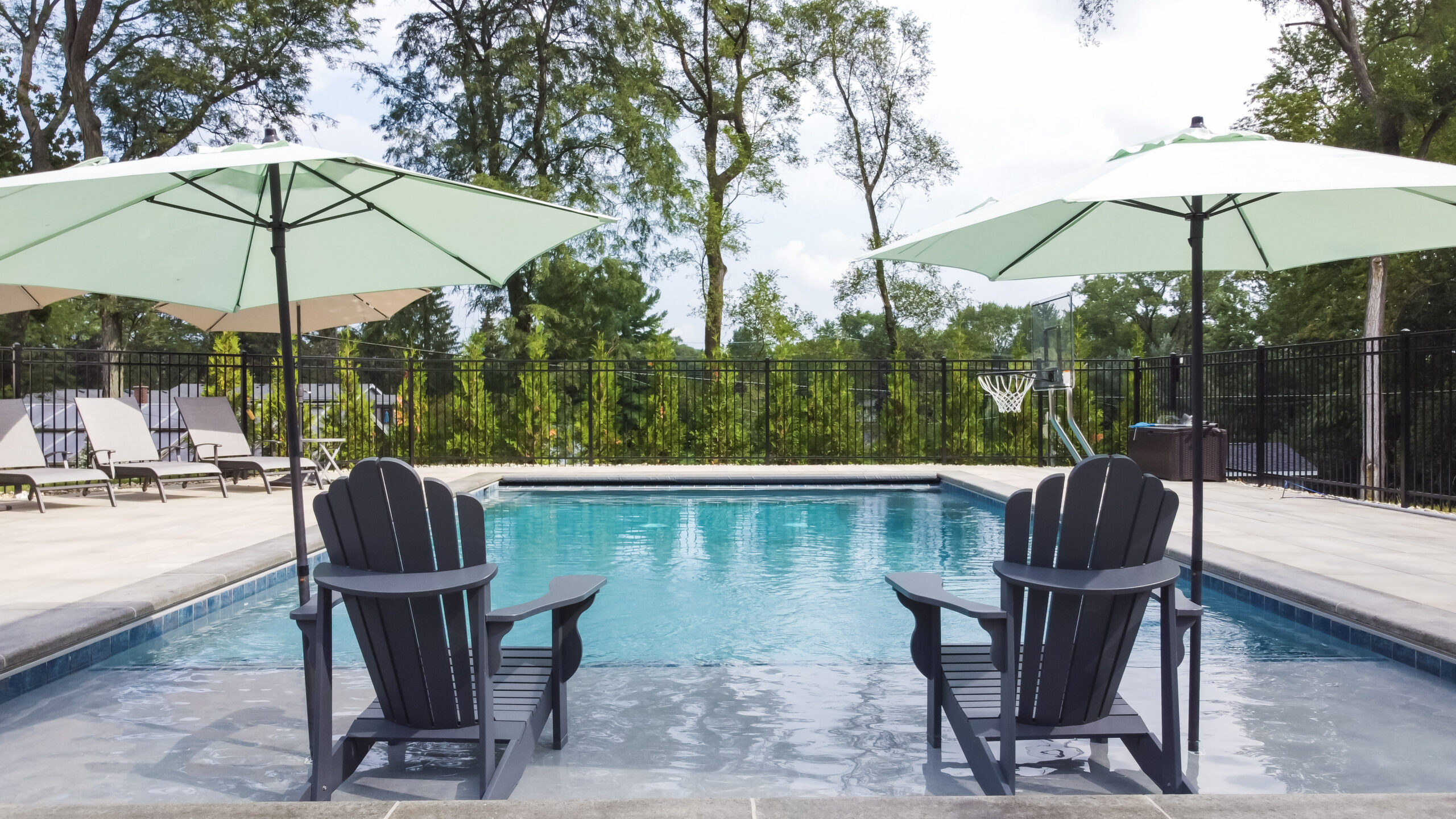
Fiberglass vs. concrete
The flagship decision: a faster, non-porous factory shell against total shape freedom shaped on site.
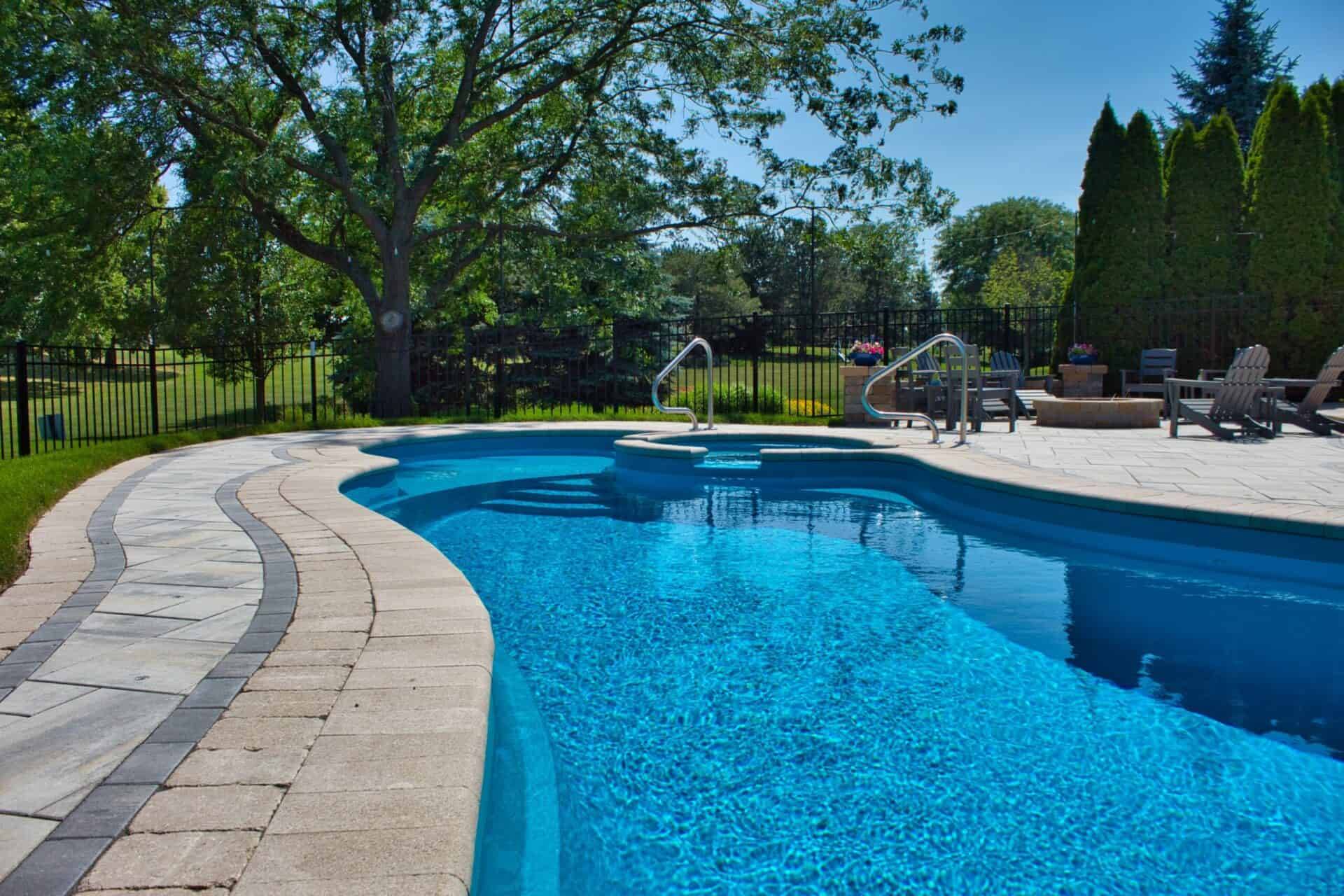
Fiberglass vs. vinyl-liner
Two lower-maintenance-surface paths to water, compared on shape range and long-term care.
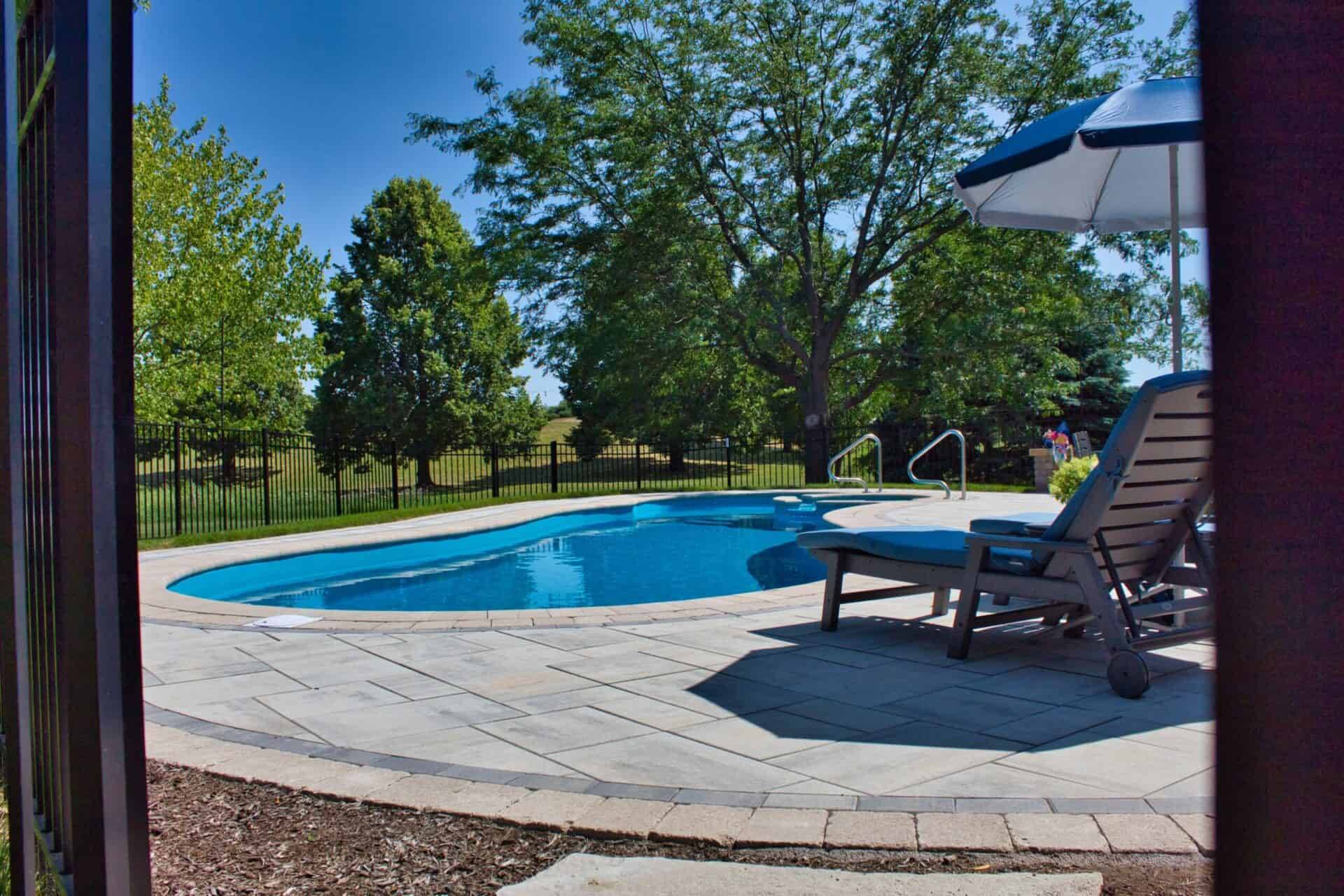
Gunite & concrete vs. vinyl-liner
Full shape customization against the lowest entry price of the four, side by side.
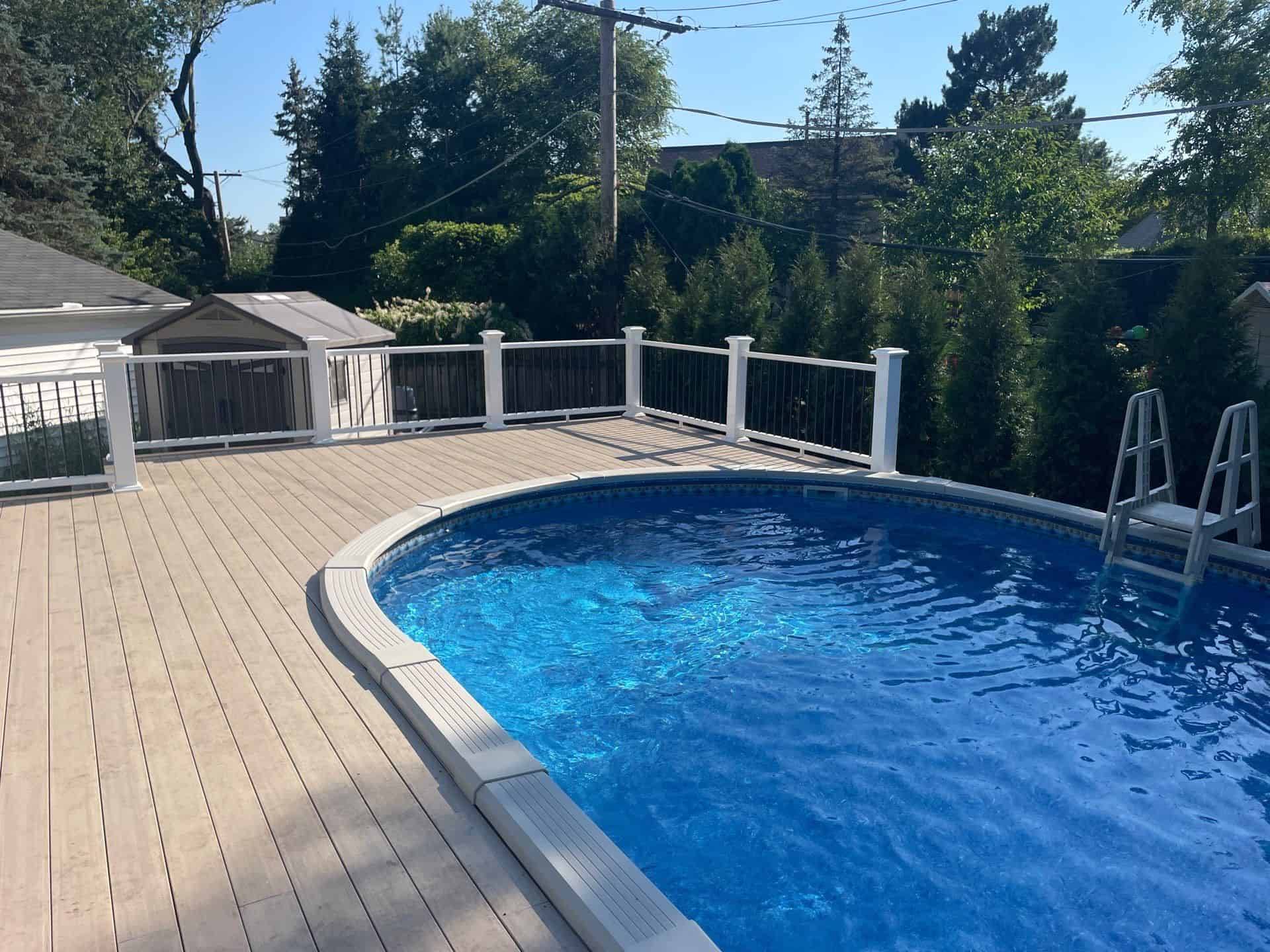
Above-ground vs. inground
Whether the ground needs to move at all, and what that trades away.
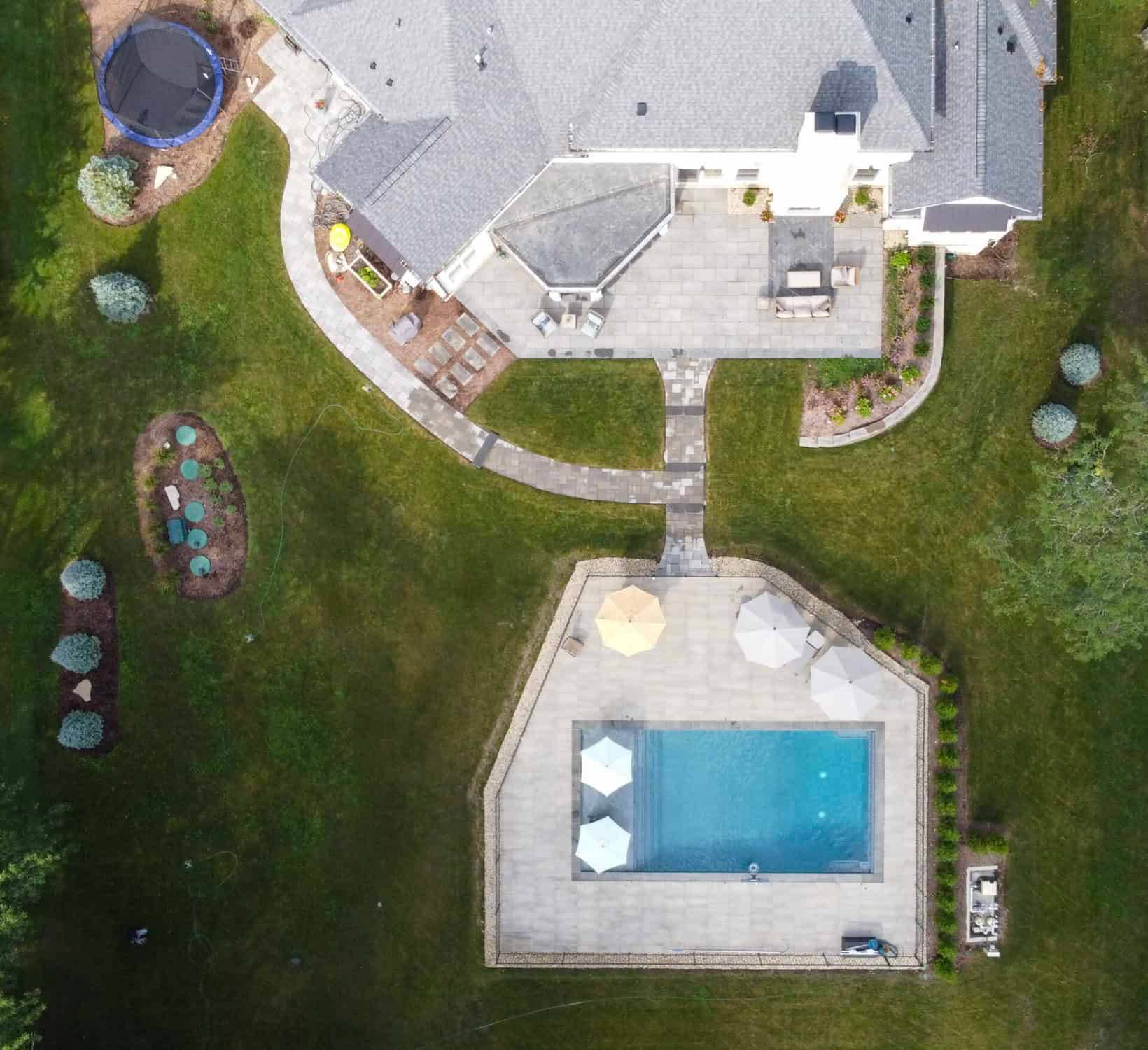
Saltwater vs. chlorine
Not a shell decision. How you'll actually sanitize the water once it's built.
Before you pick a comparison
Budget freedom, shape freedom, and timeline pull against each other.
None of the four shell types wins on every axis at once, and that's really why "which pool type is best" doesn't have a single answer. A shell that goes into the ground fastest tends to trade away some shape freedom. A shell built with total shape freedom, any depth, any edge, an attached spa, tends to ask for a longer timeline and more budget headroom to get there. A shell that protects the entry price most tends to ask for more attention over the years, whether that's a liner replacement cycle or a resurfacing cycle down the road. Picking a type is really picking which of those three you're least willing to compromise on.
That's the fastest way to know which comparison to open first. If timeline is the real constraint, start with fiberglass vs. concrete or above-ground vs. inground. If shape is the constraint, either fiberglass vs. concrete or gunite & concrete vs. vinyl-liner gets you there. If the entry price is what's driving the search, fiberglass vs. vinyl-liner or gunite & concrete vs. vinyl-liner lays out where each one lands. Saltwater vs. chlorine sits apart from all of it: it's a sanitizing choice, not a shell choice, and it can be decided anytime, even after the shell is settled.
Whichever type you land on, village permits and engineering coordination are handled as part of the same project, so the type decision doesn't have to include a permitting decision too. If you want a short standalone guide to where a vinyl-liner pool fits before opening a head-to-head comparison, read our vinyl-liner pool fit and tradeoffs guide. See how we build your pool for the full sequence, or the pool types overview for a side-by-side look at all four shells before you narrow to a single comparison.
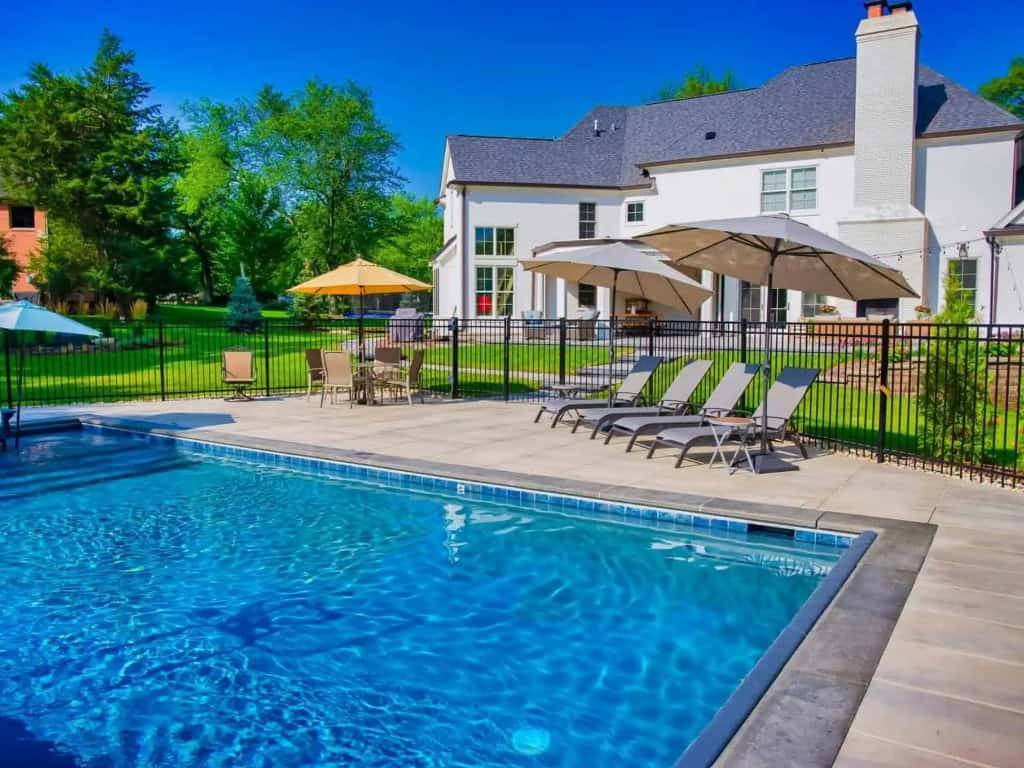
Long-term ownership
One useful question after the pool-type comparison.
Lifespan comes down to shell material more than anything else. The cited planning sources put concrete or gunite at 30 years or more, fiberglass at roughly 25 to 30 years, and vinyl-liner wall-panel construction around 20 to 25 years. The liner is a separate wearing part that River Pools reports is commonly replaced around the 5-to-9-year mark (Fixr, updated January 2025; Latham Pool, updated March 2023; Larry's Pool, updated June 2026; River Pools, updated September 2023). See our fiberglass vs. concrete comparison for how those two specifically hold up.
Ready to compare pool types for your yard?
Tell us what matters most, budget freedom, shape freedom, or timeline, and we'll walk through which comparison actually applies to your project.