Comparisons · Fiberglass vs. Concrete
Pool comparison
Fiberglass vs. concrete pool: choose the path that fits the project.
Fiberglass pools arrive as prefabricated shells; gunite and concrete pools are built on site, so their shape options, delivery needs, installation stages and interior surfaces differ.
Wave Outdoors Pools can discuss fiberglass and gunite or concrete pool construction. Start with the decisions that affect your own project, then use a written scope to compare the selected path.
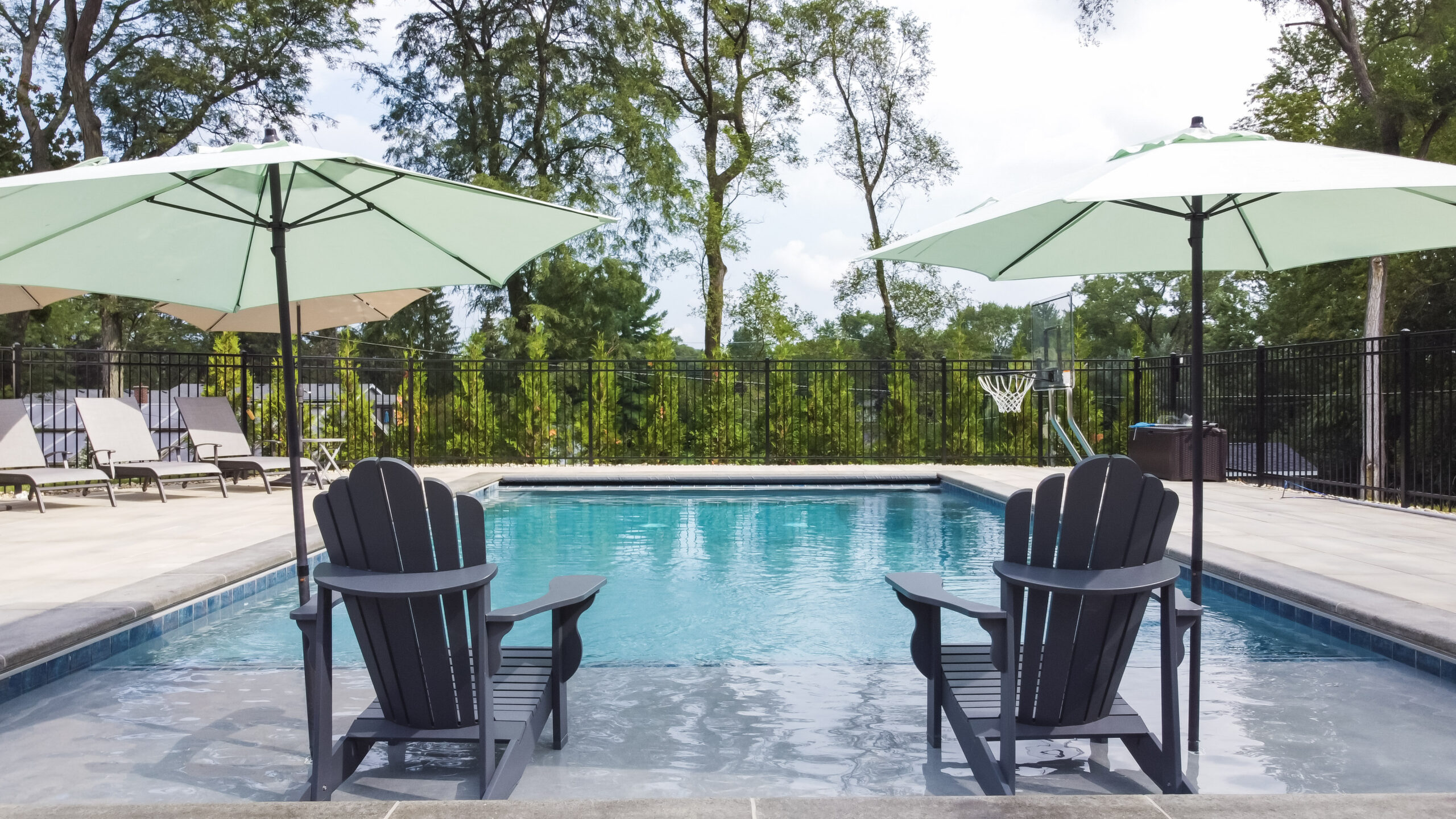
Two construction paths
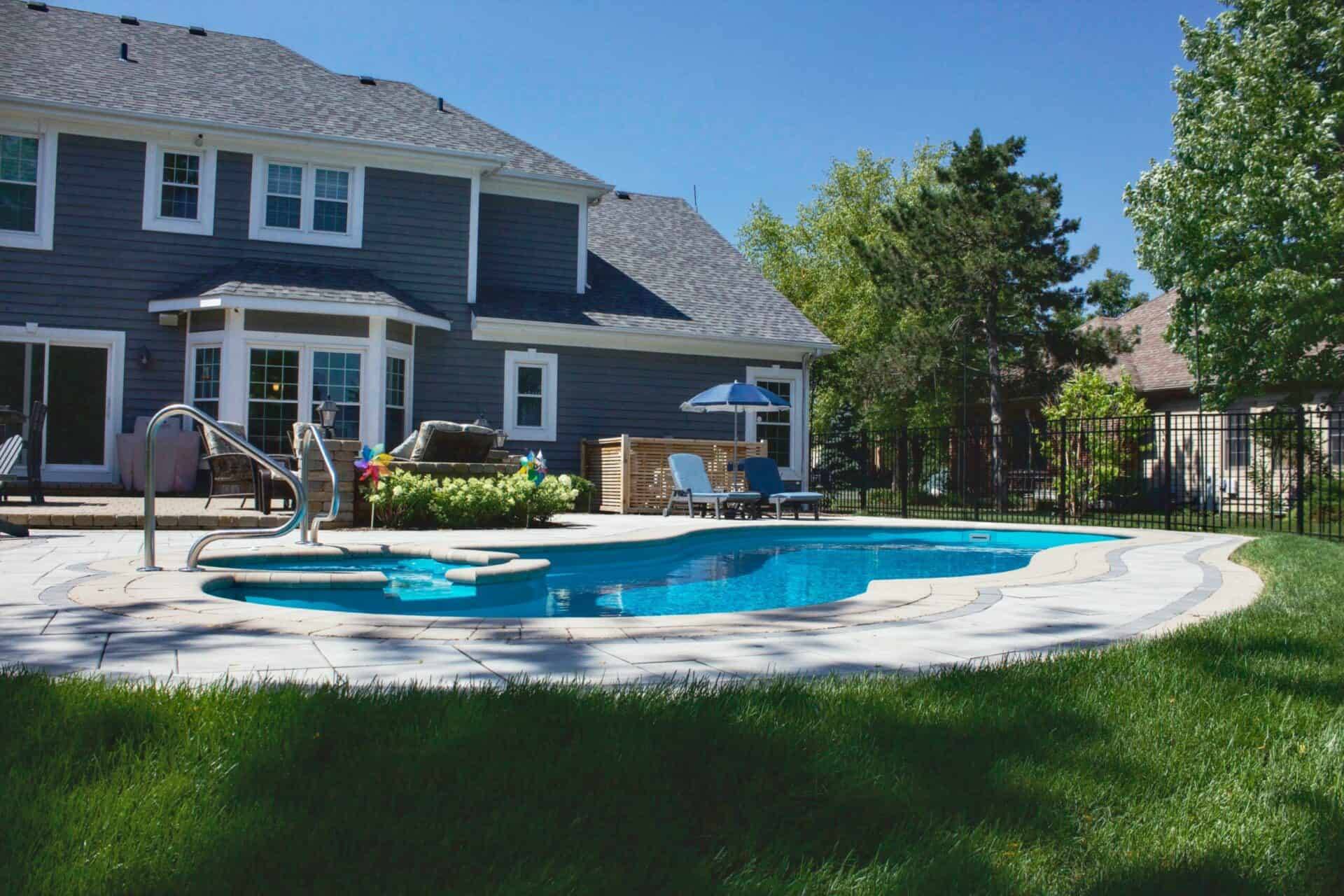
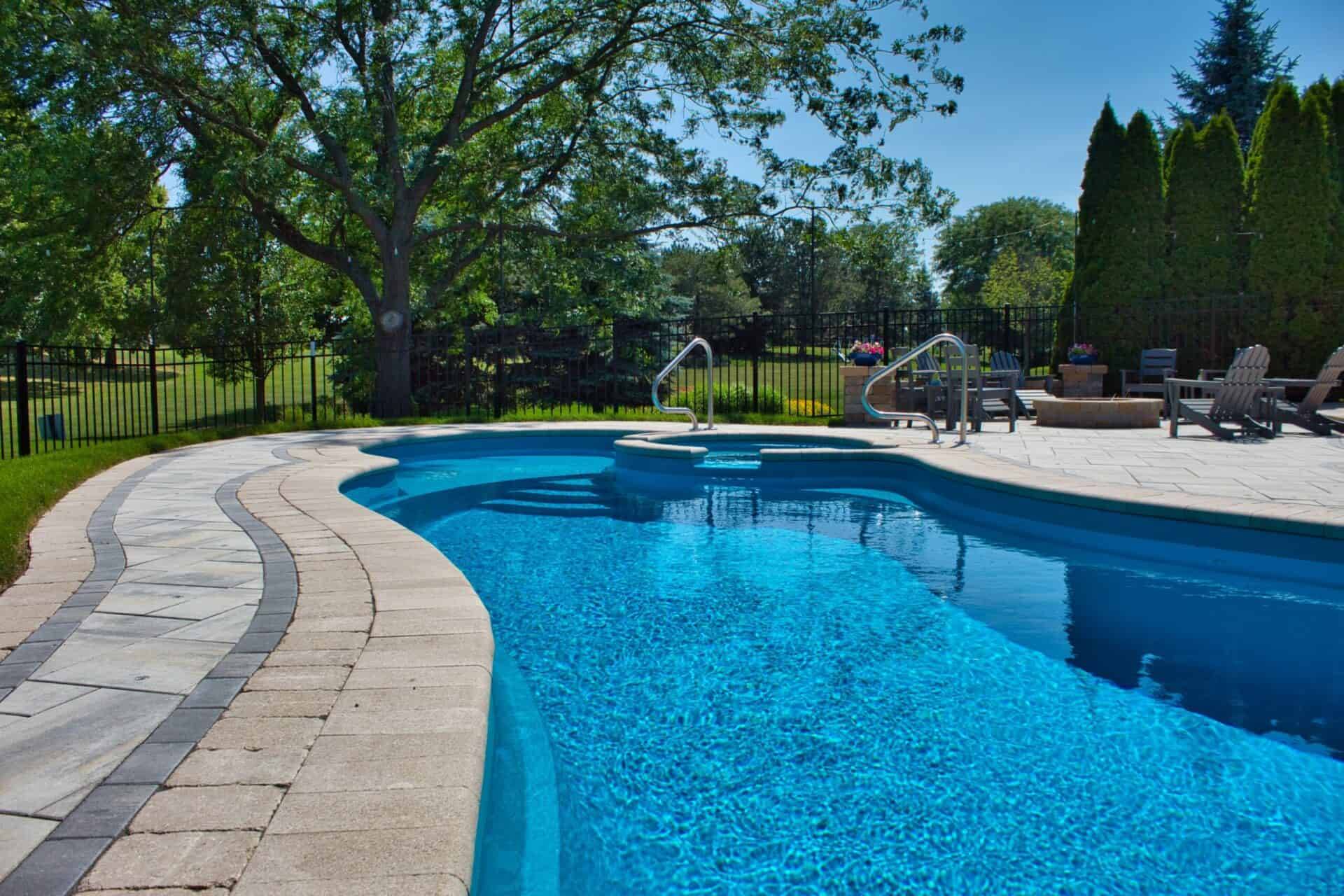
The decision
Compare the choices by form, timing, scope, and ownership.
The construction method explains much of the difference. A fiberglass pool is manufactured before it reaches the property, so the starting point is an available shell whose shape and dimensions suit the intended use. A gunite or shotcrete pool is a reinforced concrete vessel constructed on site, which allows the shape, size and features to be designed for the project. Gunite specifically means dry-mix shotcrete; shotcrete includes both wet- and dry-mix concrete placement. The structural vessel is also separate from the surface a swimmer touches. That distinction matters when comparing customization, cleaning and future finish work: a change to an interior finish is not the same job as a change to the pool structure.
| Decision to resolve | Fiberglass | Gunite and concrete |
|---|---|---|
| Wave planning range | $80,000–$150,000 for project planning, not a quote or minimum-price promise. | $120,000–$200,000 for project planning, not a quote or minimum-price promise. |
| Timing after approvals and site readiness | Typically three to four weeks of construction. | Typically six to eight weeks of construction. |
| Form and layout | Review the available shell form against the water use and backyard layout you want. | Review the planned form, depth, and surrounding layout as part of a site-built pool discussion. |
| Property access | Confirm whether access and the property plan support the selected shell and its placement. | Confirm how excavation, site conditions, and the complete outdoor plan affect the proposed work. |
| Finish and ownership | Confirm the selected system, component care, and written coverage for the proposed project. | Confirm the selected finish, component care, and written coverage for the proposed project. |
| Wins when | The available shell form, access, timeline, and full project scope align with the property. | The project needs a site-built form and integrated poolscape that the selected shell does not resolve. |
Design and engineering coordination can take about eight weeks, and permitting commonly takes one to three months. Site conditions, access, size, materials, features, utilities, safety work, surrounding construction, scope, municipal review, and season can change both budget and timing.
Questions
Questions that help compare fiberglass and concrete pools.
Fiberglass is a useful starting point when an available shell already provides the form and features you want and the property can accommodate delivery and placement. Concrete becomes more relevant when a particular shape, size or integrated feature needs to be designed on site. In a cold-climate comparison, look beyond a material label: the American Shotcrete Association explains that water absorbed into concrete can create pressure as it freezes, and repeated cycles may cause spalling or worsen existing cracks. It also identifies heaving or settling subgrades as possible causes of increased structural stress. Those mechanisms call for a property-specific assessment; they do not establish that either pool type is automatically the right choice for every Chicago-area yard.
Wave's planning ranges are $80,000–$150,000 for fiberglass and $120,000–$200,000 for gunite/concrete. They are planning ranges, not quotes; the final budget changes with site conditions, access, size, materials, features, safety work, and complete scope.
An available fiberglass model may not match the desired dimensions or layout, and the whole shell must reach its installation position. That makes delivery and placement part of the design decision. Latham lists excavators, dump trucks, concrete trucks and cranes among the equipment that may need yard access during its installation process. A useful feasibility discussion therefore considers the selected shell alongside the route and space needed by installation equipment. Narrow access is a reason to assess the logistics of the particular project, rather than a reason to declare every fiberglass pool impossible or every concrete pool straightforward.
A single lifespan number hides the difference between the pool structure and its interior surface. PHTA distinguishes a non-structural cementitious interior finish from the vessel it coats. Fiberglass systems can use a different surface: Latham describes its Crystite Classic finish as a smooth fiberglass gel coat. Surface condition therefore needs to be considered separately from the underlying structure when discussing future work. Both pool types still need water testing, cleaning and care that follows the selected equipment and surface manufacturers’ guidance.
Compare the options against your own project.
Request a project consultation to discuss the form, access, timing, and scope that should guide a fiberglass or concrete pool decision.