Pool Safety
Pool safety planning
Pool safety features work best as one coordinated system.
Swimming pool safety is stronger when access, the water surface, alerts, and active supervision are considered together, not chosen as disconnected add-ons.
Discuss your project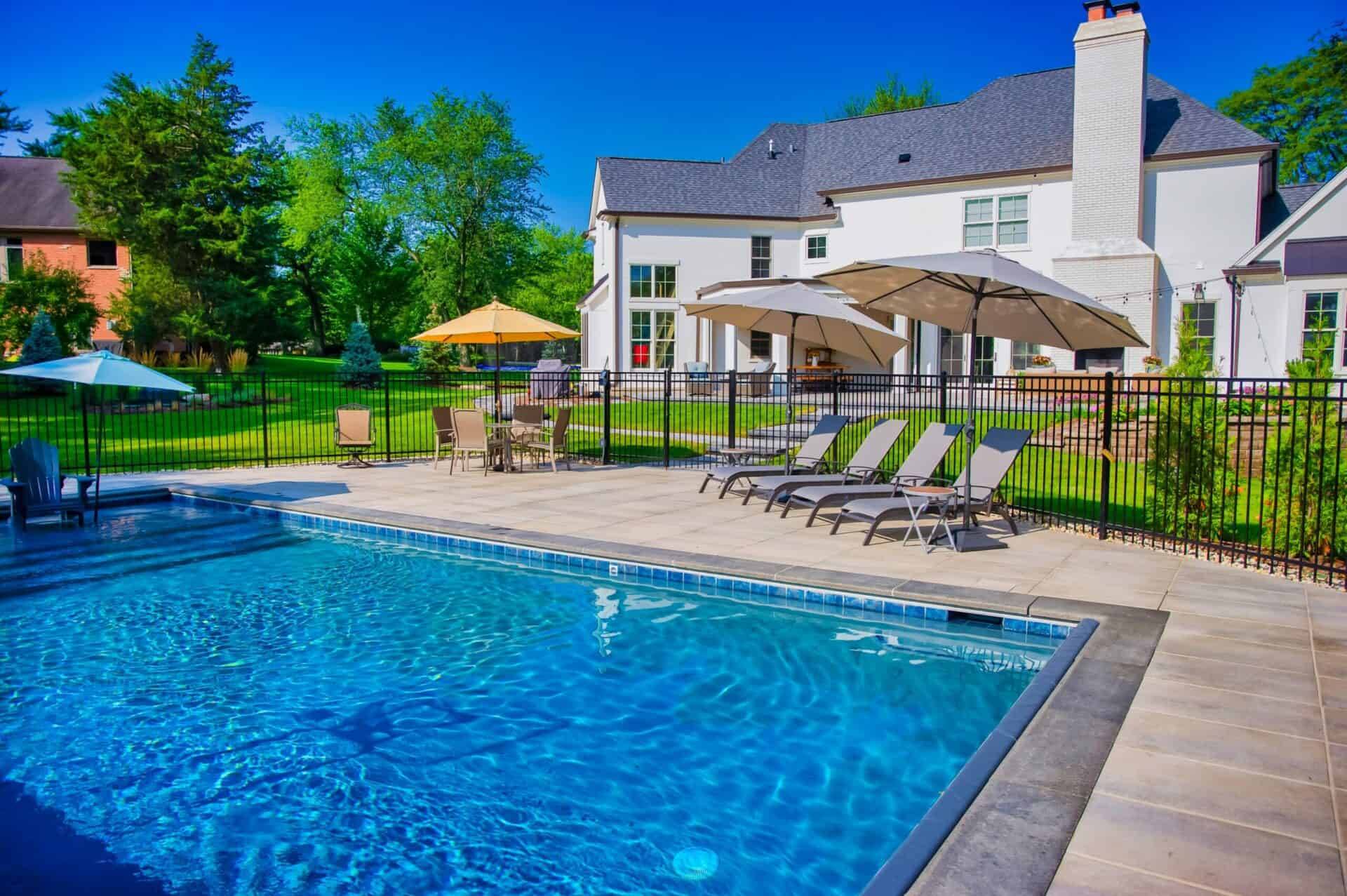
The direct answer
There is no single “best” pool safety device.
A layered system gives each measure a distinct job: a barrier manages access to the pool area; a power safety cover can limit access to the water when it is the selected, properly used product; an alarm adds an alert; and active supervision remains a human responsibility. The value is in the overlap: an alert does not turn a barrier into supervision, and a cover does not make the other layers unnecessary.
Wave Outdoors Pools can coordinate automatic covers, pool alarms, and safety fencing as part of a project. The exact equipment and requirements depend on the property, selected system, current municipal review, and manufacturer instructions.
Ten practical rules
What should a household safety routine cover?
Start with these ten actions, then check current local requirements and the instructions for every installed product.
- Designate a focused adult Water Watcher whenever children are in or near the water.
- Never leave a child unattended around a pool or spa, even briefly.
- Teach children water-safety skills and help household members learn to swim.
- Use a complete barrier with self-closing, self-latching access where the approved plan requires it.
- Add appropriate layers such as covers and door or pool alarms; do not treat one device as a substitute for supervision.
- Keep children away from drains, pipes, and other openings, and do not use a pool with a broken or missing drain cover.
- Learn CPR for children and adults and refresh those skills regularly.
- Keep accessible rescue equipment nearby and know how to direct emergency responders to the property.
- If a child is missing, check the pool or spa first.
- After use, resecure gates, covers, alarms, and removable access equipment, and remove toys that may attract children to the water.
Safety guidance adapted from the U.S. Consumer Product Safety Commission’s Pool Safely recommendations. This is general planning information, not a substitute for supervision, training, current code review, or product instructions.
Barrier
Start with how the pool area is entered and separated from the rest of the property.
Pool fence installationCover
Choose the cover path alongside the pool plan, before the surrounding work is fixed.
Automatic pool coversPool safety coversAlarm
Alerts are one layer in a coordinated approach and do not replace active supervision.
Pool alarmsLocal coordination
Make the safety plan part of the project plan.
Fence and barrier details require a location-specific review. Use the code resource for the governing local question, then coordinate the selected layers with the pool, deck, and circulation plan.
Ready to talk about your backyard?
Tell us about your space. If you are looking for a pool construction company, we can discuss the property, compare the viable pool paths, and define the next design decisions.