Pool safety
Pool safety · alert layer
Pool alarms for the openings and water your barrier cannot watch alone.
Wave can discuss alarms alongside safety fencing and automatic covers as part of a pool-safety plan.
Choose the alert by the moment you need to know about: a gate opening, a door opening, or a disturbance in the water.
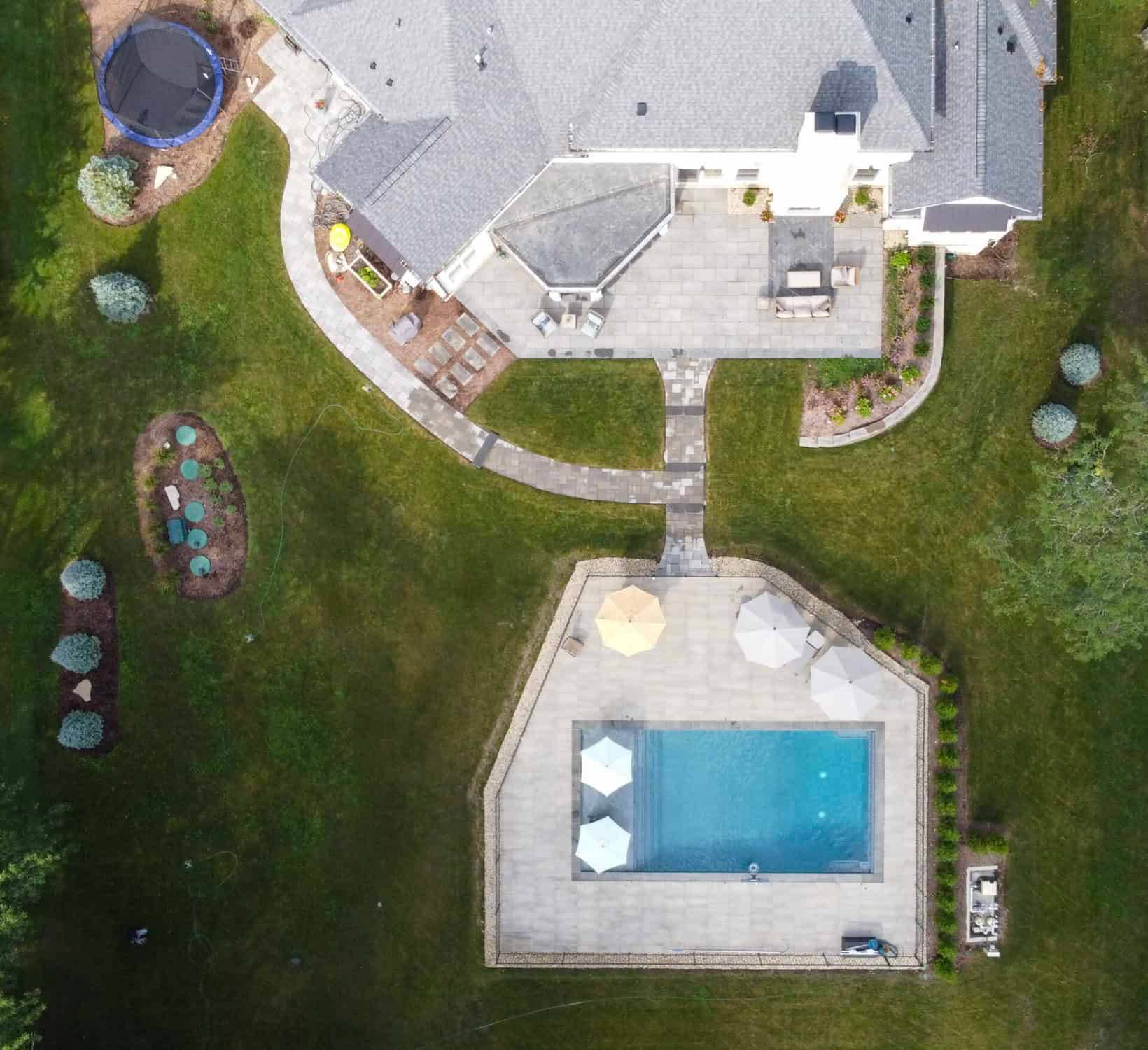
A layered safety conversation starts with the access points.
Compare the trigger
What should you compare when choosing an alert system?
Start with the gap you are trying to notice. A gate alarm responds to a barrier opening. A door alarm responds to a path from the house. A surface-wave or other water-based device responds after the water is disturbed. These are different jobs, so one device should not be treated as a complete safety plan.
| System | What it is meant to report | Planning question |
|---|---|---|
| Gate alarm | A gate opening | Which gates create an unsupervised route to the water? |
| Door alarm | A door opening | Which doors lead from the home toward the pool area? |
| Water-based alert | Disturbance in the water | What should happen after the barrier has already been crossed? |
We can coordinate the discussion with pool safety fencing and automatic covers.
Layered, not substituted
An alert tells you something changed; a barrier is what limits access.
A fence, gate, cover, and alert do not perform the same role. The design question is how they work together for the actual routes through a yard and home. The system should be selected after the pool layout, gates, doors, and family use are understood.
Ask which event needs attention first, where an alert would be heard, and how it fits the other layers already planned. That produces a more useful decision than asking for one “best” device.
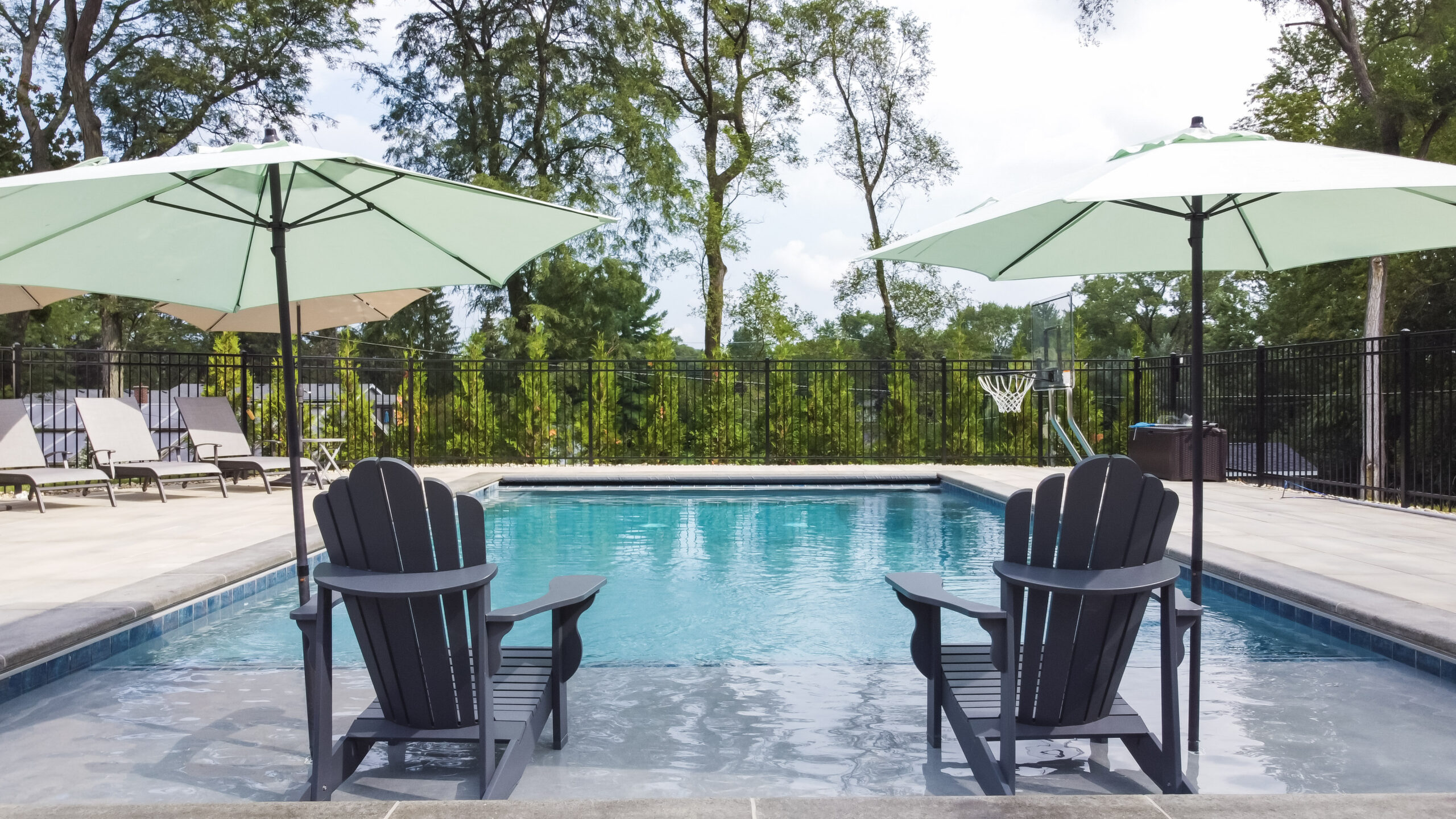
Planning sequence
Map the access points before choosing the hardware.
Walk the routes
Identify gates, doors, and other paths that matter to the planned pool environment.
Choose the trigger
Match each alert type to the event it is intended to report rather than asking one device to cover every condition.
Coordinate the layers
Review the selected system with fencing, covers, and the broader pool plan.
Common questions
Questions about choosing the right alert.
The best fit depends on the event you need to know about: a gate, a door, or the water. Review the site plan and the other safety layers before selecting a device.
No. An alert reports an event; a fence is the physical barrier. Ask Wave to discuss both as parts of the same safety plan.
That depends on the access routes, the number of gates and doors, and the final layout. A site review is more reliable than a category-wide number.
Plan the safety layers with the pool, not afterward.
Bring the property layout and the access routes you want to discuss. Wave can help determine which safety features fit the project.