Pool decks
Pool decks · the edge detail
Pool Coping, Planned with the Whole Deck.
Ask us whether this scope is available for your project.
Compare the profile, finish, and relationship to the surrounding deck before the material is selected.
It finishes the shell and marks the transition between the water and deck. The selected profile and finish should be reviewed with the pool-safety plan.
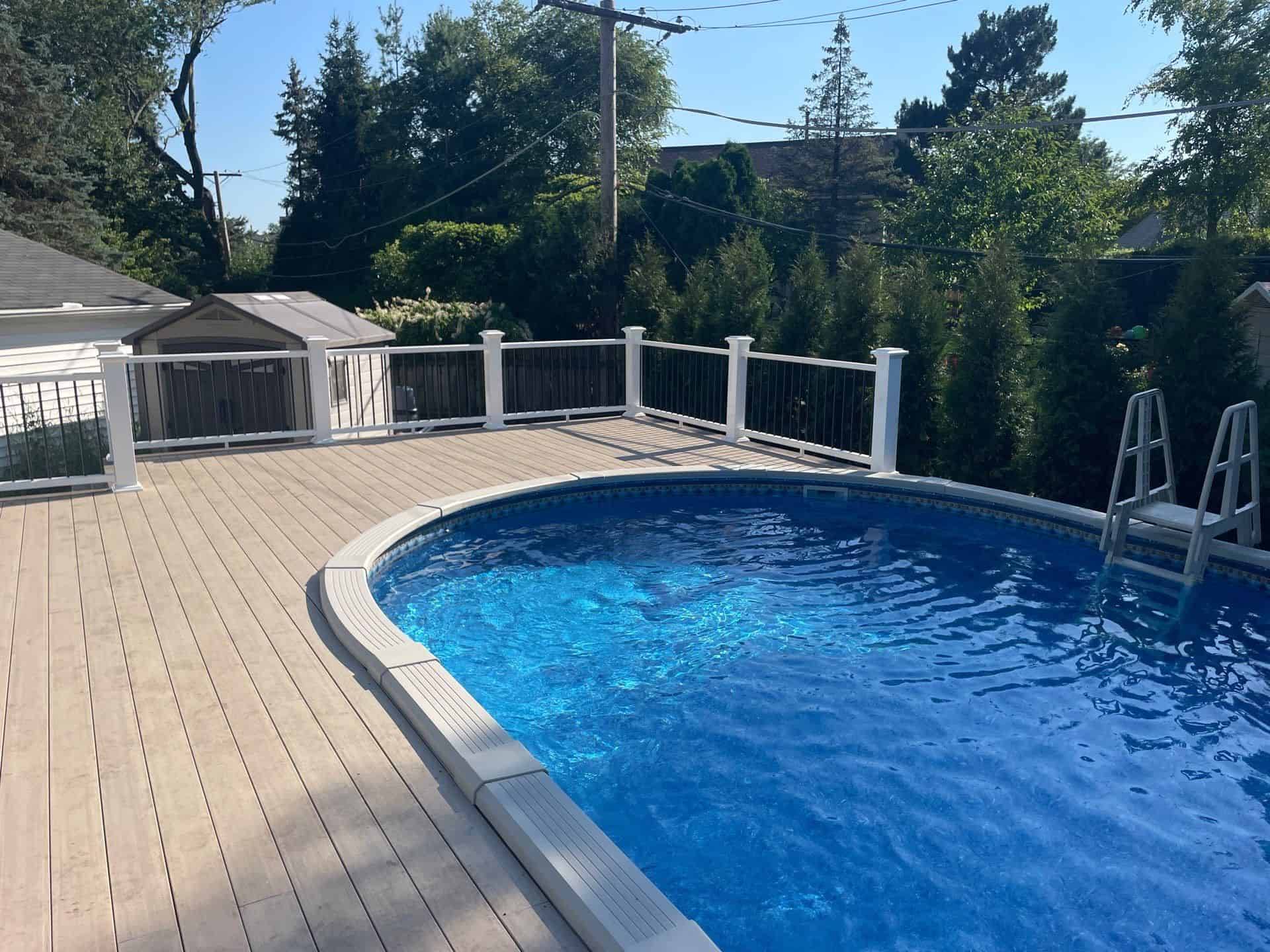
The edge, up close
Materials
Four ways to finish the edge.
Pool coping is the capping material that runs along the top of your pool's shell or bond beam. It is usually the first thing your hand finds getting out and the last surface between the water and the deck, which is why the material and the joint around it matter more than most people expect going in.
Coping is available in several material families, and the choice belongs alongside the deck material rather than after it.
- Poured concrete
- Cast in place and finished to match or contrast the deck field. Compare the proposed finish with the surrounding concrete or paver work; concrete pool decks carry their own material and finish decisions.
- Paver
- Individual units set in a course around the pool. Ask the installer how the selected units, joints, and surrounding deck will be handled; paver pool decks should be reviewed with their edge treatment.
- Natural travertine
- A natural-stone option whose finish, texture, and upkeep should be compared for the setting. Travertine pool decks carry material and edge decisions that should be confirmed in the written scope.
- Bluestone
- A blue-gray natural-stone option. Compare its finish, color, texture, maintenance, and project-specific budget with the other materials before selecting the edge.
The detail everyone touches
Why the joint matters more than the color.
The deck field fills most of the yard, but coping is the narrow transition at the water's edge. It is both a finish decision and a connection between the pool structure and the surrounding deck.
The selected profile and edge treatment should be documented with the pool structure, deck material, waterline, access, and intended use. Exact assembly, jointing, and finish details belong in the project scope and applicable professional guidance.
Coping selection belongs in the deck conversation because it resolves the water-facing edge, walking transition, and visual line between pool and deck. Compare the proposed material and profile with the waterline, deck finish, circulation, and the relationship you want at the water.
Bring coping into the design stage with the deck, waterline, and pool shape. If this is an existing-pool renovation question, use the pool renovation plan rather than treating the page as a DIY replacement guide.
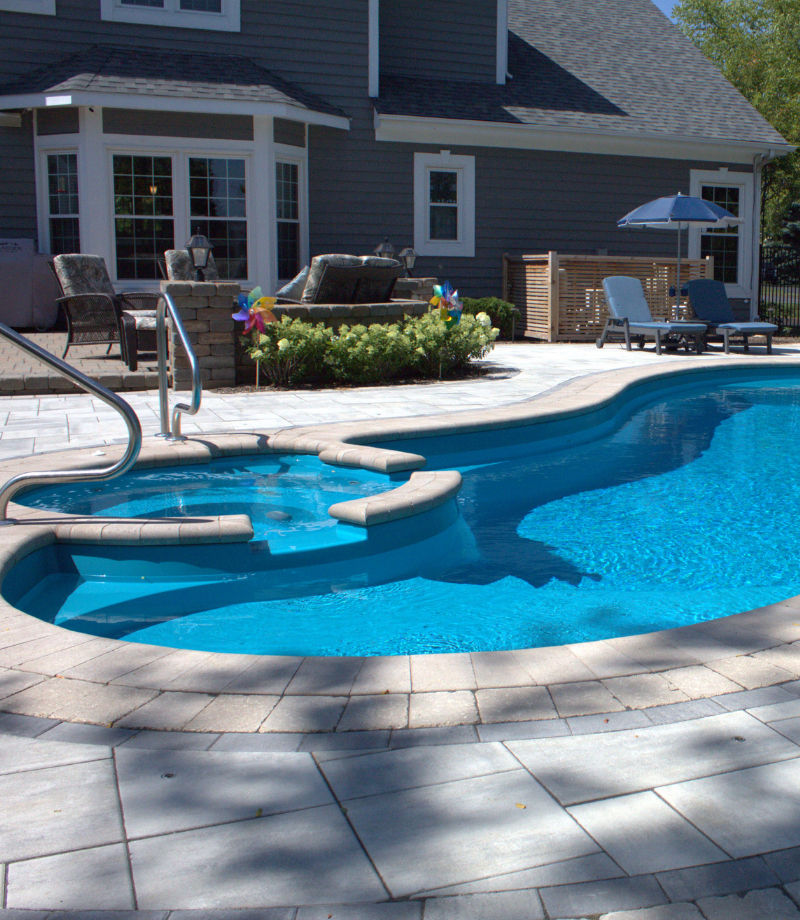
How it happens
How the edge gets decided, stage by stage.
Design
Coping material and profile get chosen alongside the deck plan and waterline tile, not after. Custom 3D design is available as a paid add-on for your project, so you can see how the edge and the deck read together before anything is poured.
Permits and engineering
Village permits and engineering coordination cover the pool structure that the coping caps, handled as part of the project from the start.
Confirm the assembly
Coping installation depends on the pool edge, selected material, deck assembly, and approved scope. Ask for the coping, joint, and transition details in writing.
Confirm the finish
Before handoff, confirm the selected edge finish, care requirements, and relationship to the pool-safety plan.
Ready to talk about your deck and its edge?
Tell us about your project and we will walk through deck material, coping, and how the two work together as one plan. Curious what a project like this costs? Our project cost guide is a good place to start.