Primary use
Decide whether the water is for cooling, soaking, exercise, social use, or a combination before selecting dimensions.
Compact-pool budget
A smaller footprint can reduce some quantities, but it does not remove site assessment, excavation, utilities, safety, design, or permitting work.
Plunge pool cost is not proportional to water area. A compact inground pool still carries fixed project layers (site access and preparation, excavation, pool systems, utilities, safety, design, and permit coordination), so the budget must be built from the complete scope rather than a per-square-foot shortcut. A plunge pool is worth considering when its compact use and the complete project scope fit the property and priorities; this is not an ROI or savings claim.
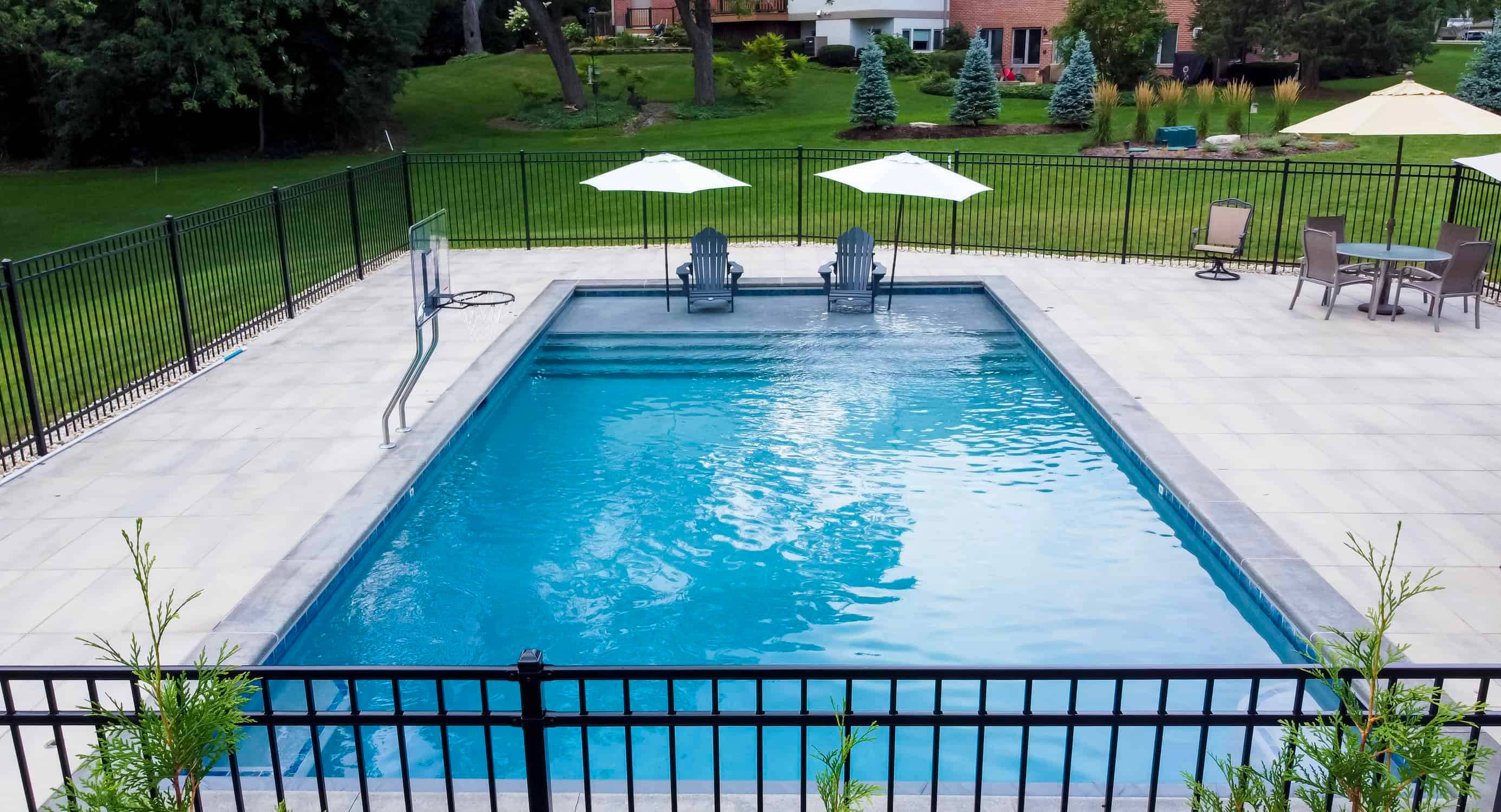
Wave Outdoors Pools
Decision frame
Separate variable quantities from fixed project layers before assuming a smaller footprint creates the same percentage reduction in total cost.
| Project layer | Effect of a smaller footprint | Still requires definition |
|---|---|---|
| Pool size | Less water area can reduce some material quantities. | Material path, depth, form, equipment, and intended use. |
| Site work | The excavation is smaller. | Access, mobilization, grading, utilities, and property preparation remain. |
| Finished environment | A compact deck may use less material. | Safety, circulation, features, structures, and the relationship to the house still need design. |
National context: Bob Vila reports a broad $10,000-to-$50,000 plunge-pool range. It is not Wave pricing and does not establish the scope required by a specific property.
Scope before price
Decide whether the water is for cooling, soaking, exercise, social use, or a combination before selecting dimensions.
Compare the flagship gunite/concrete path with fiberglass when available shell form, space, and access align.
A small water footprint does not automatically create equipment access or resolve grading and utilities.
Heating, jets, integrated spa functions, lighting, and automation can carry more influence in a compact program.
Seating, shade, deck circulation, fencing, and views determine whether the small pool feels intentional.
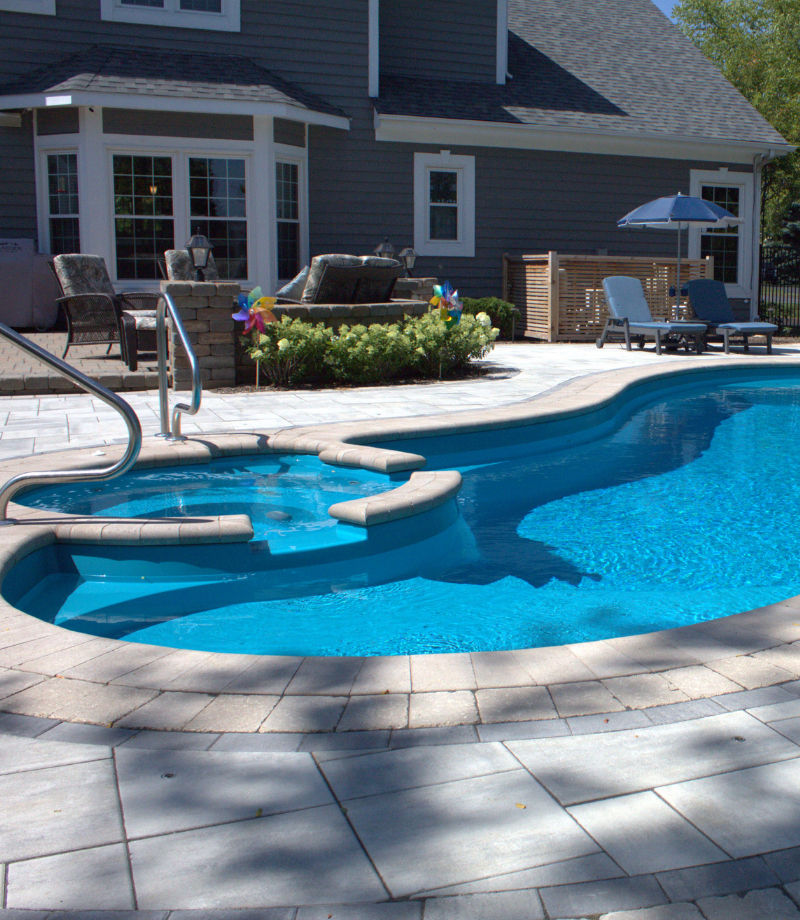
Observed small-pool questions
It can require fewer variable materials than a larger pool, but fixed project layers remain. Compare complete scopes rather than assuming the total falls in direct proportion to water area.
Start with a compact program rather than a style label: define how the water will be used, then fit circulation, seating, safety, access, utilities, and the active gunite/concrete or fiberglass path around it.
Permit requirements depend on the municipality and approved plan. Wave handles village permits and engineering coordination for its pool projects.
Do not choose from material price alone. Wave leads with gunite/concrete and evaluates fiberglass when space, access, and an available shell form support it; the complete property scope controls the useful budget.
Use the site assessment to resolve access, material path, dimensions, features, utilities, safety, and the surrounding outdoor room before attaching a budget to the footprint.