Pool Types · Small Backyard Pools
Small-yard planning
Small backyard pool ideas that begin with the site.
A compact pool works when water, access, outdoor circulation, and property requirements are resolved as one plan.
There is no universal best size for a small backyard. A good size supports the intended water use while preserving a usable layout, project access, and the yard elements that must still work around the pool.
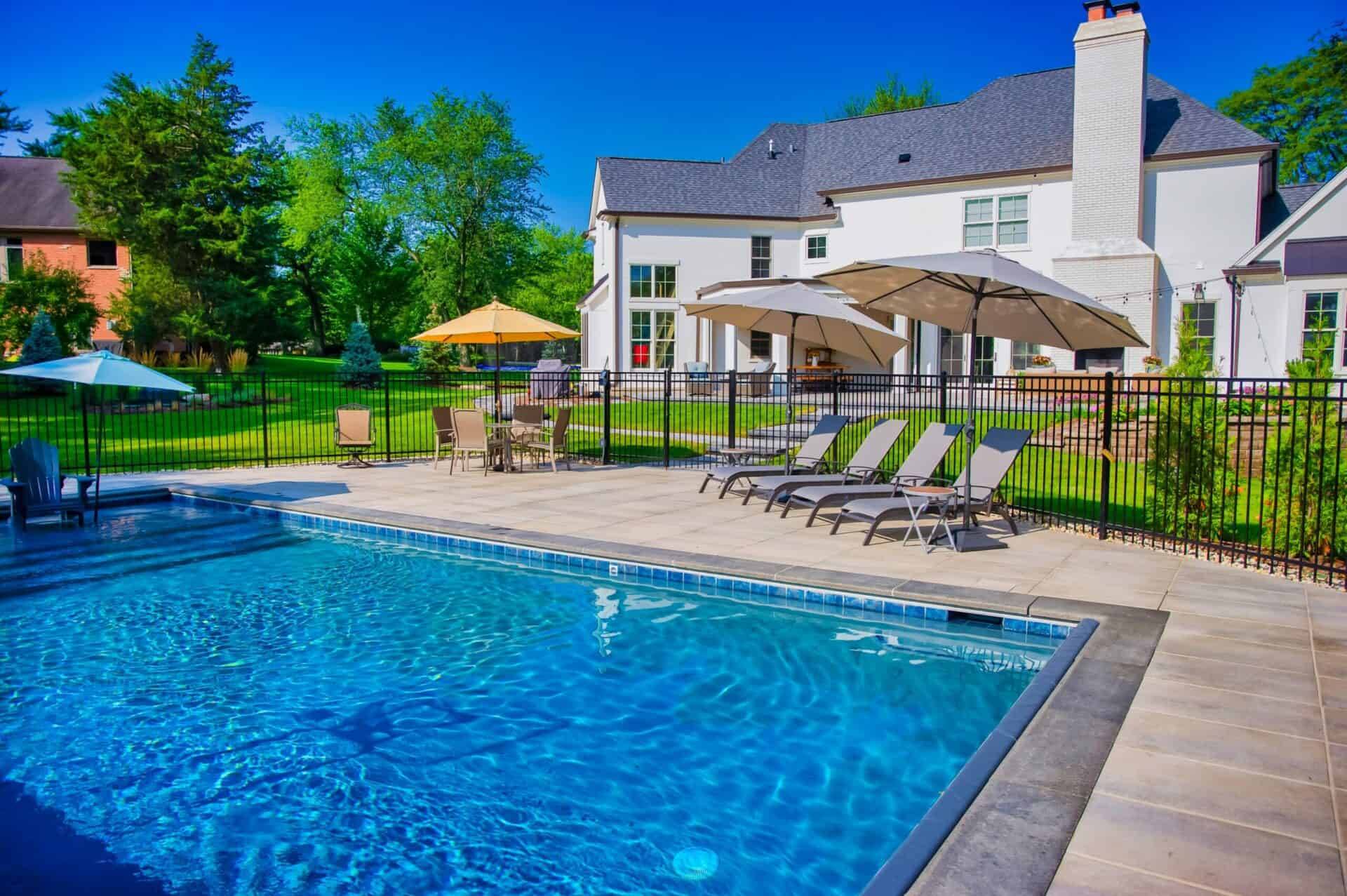
Small-yard pool planning
Before the shape
Plan the pool and the usable yard together.
Inground pool designs for small backyards should be evaluated through the complete property plan, not a shape in isolation. Two useful starting formats are a plunge pool for cooling and lounging, or a compact rectangular pool when a simple footprint fits the usable site. Wave’s pool-design process includes an extensive property and site assessment; engineers or architects are involved when project conditions require them. Access, circulation, deck, safety, drainage, and site requirements still decide what fits the property.
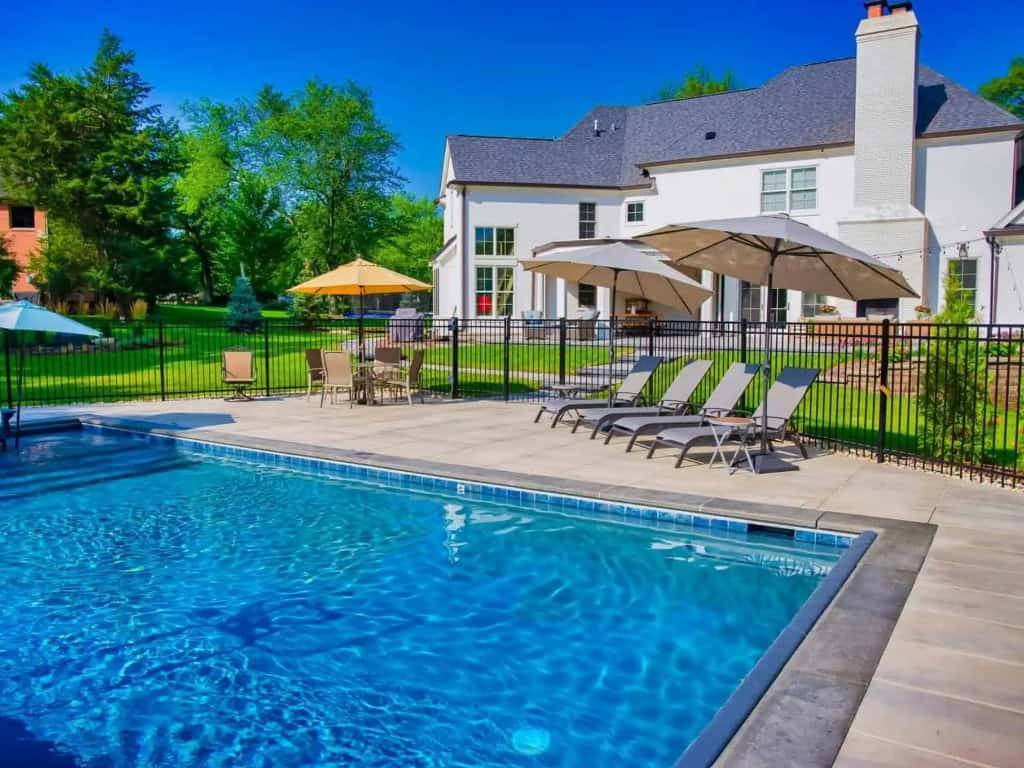
Questions
Questions that make a smaller-yard plan useful.
Sometimes, but feasibility is property-specific. The answer depends on the usable layout, access, drainage and grading considerations, the outdoor space around the pool, and the requirements that apply to that site.
There is no universal minimum that makes sense for every yard. The practical minimum is set by the project’s intended use and the site plan, including circulation, access, and the requirements confirmed for the property.
A small pool should be planned as one part of the property, alongside the paths, seating, deck, landscape, drainage, safety elements, and the outdoor use that still matters to the household. The site assessment should test that whole-property relationship before a shape is selected.
Bring the site questions to the first conversation.
Request a project consultation to evaluate a smaller backyard pool around the property and the space you want to keep usable.