Pool Safety
Pool safety · Guide
Can you install a pool fence yourself?
A homeowner can install some pool fences, but every one of them still has to pass the same permit and inspection a professional job does. This guide covers what is realistic to do yourself, what the inspector checks, and where pool fence installation by a professional earns its place.
A DIY pool fence is realistic mainly as a removable mesh kit built for homeowner assembly, since permanent aluminum, iron or glass is professional work, and even a kit still needs the permit and final inspection most jurisdictions require.
Is a DIY mesh pool fence the only realistic homeowner install?
A removable mesh kit is the only fence type genuinely designed for homeowner installation; aluminum panel, wrought iron and glass systems are professional work in all but the simplest yards. Mesh kits ship with poles, sleeves, a drilling template and manufacturer instructions written for a homeowner with a hammer drill and a weekend. The mechanics of mesh belong to the mesh fencing guide; for the DIY decision, the point is that the product itself expects you.
Permanent fencing is different. Aluminum panels have to be set on posts that are plumb, evenly spaced and concreted below frost depth, then racked to follow the grade. Wrought iron is heavy and unforgiving of a post that drifts. Glass panels rely on spigots or channels set to a tolerance that a small error makes visible from across the yard, and a cracked tempered panel cannot be repaired. Each of these is possible for an experienced builder; none is a first project.
A fair test: if the material cannot be adjusted after it is set, it belongs with a professional.
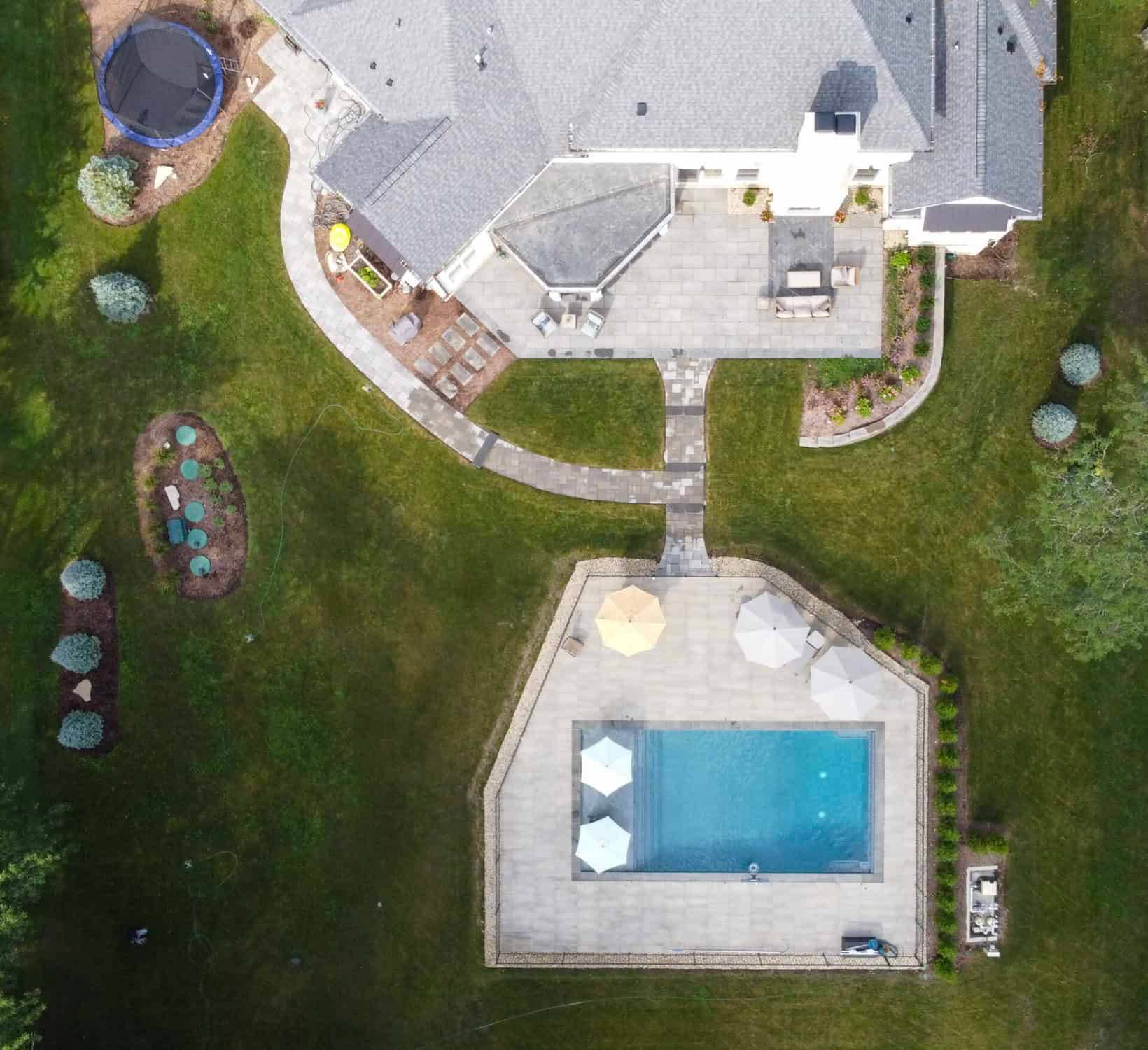
How to install a pool safety fence: permit, then inspection
The process runs in a fixed order: apply for the building permit, install to the approved plan, then schedule and pass a final inspection before the barrier is treated as complete. poolfence.com notes that most U.S. jurisdictions require a building permit and a final inspection for pool barrier installation, and Illinois suburbs follow that pattern through their own municipal codes.
The application usually asks for a site plan showing the pool, the fence line, gate locations and the distance to property lines, plus the product specification for the fence and gate hardware. The local building department reviews it against the current code, issues the permit, and tells you what the inspection will cover.
At the final inspection, the inspector checks the things that matter for a small child:
- Height, measured from the side a child would approach.
- Openings, so that no gap in the panels, under the fence, or at the gate is large enough to pass through.
- Gate function: self-closing and self-latching from any open position, with the latch out of a child's reach.
- Non-climbable design: no horizontal rails, decorative cutouts or nearby objects that give a foothold.
Mount Prospect's current fence ordinance (Municipal Code 14.318) carries the village's published swimming-pool fence provisions, which a homeowner-built fence must meet like any other; confirm the current text and the inspection schedule with the building department rather than relying on a summary.
What mistakes cause a homeowner install to fail inspection?
The most common failures are post spacing that drifts beyond the standard's maximum gap, a gate that does not latch on its own, and a design that can be climbed. Each is easy to make and hard to see until an inspector measures it.
Post spacing goes wrong when a template is shifted to avoid a paver or a root and the panel is stretched to compensate. On a mesh fence, that stretch loosens the tension and widens the gap at the bottom. Verify the current barrier specification before buying materials, and lay out every hole before drilling the first one.
Gate alignment is the single most frequent failure. A gate hung on posts that are not plumb will swing closed but stop short of the latch, and a self-latching gate that does not latch is, to the inspector, no gate at all. Hang the gate last, check that it closes and latches from a gentle push and from a wide-open position, and adjust the hinge tension until it does.
Non-climbable design is harder to self-verify than height. CPSC's Pool Safely program recommends a non-climbable fence at least four feet high, fully surrounding the pool; that is general safety guidance, not a substitute for the local code minimum, and the current municipality and approved plan control. Walk the outside of the fence and look for anything a child could stand on: a planter, an air-conditioning unit, a decorative crossbar. If it is within reach of the fence, it is part of the fence.
How does a DIY pool fence installation compare with professional work?
DIY installation trades money for time and inspection risk; professional installation trades money for a barrier that is laid out, set and inspected as a single job. A homeowner installing a mesh kit saves the labor line but takes on the layout, the permit paperwork, the drilling and the re-inspection if something is off.
A professional crew with the right tools sets a fence in far less time than a homeowner working weekends, and the permit clock keeps running in the meantime. The risk difference is larger: a failed inspection means the pool cannot be used with the new barrier until the fix is made and the inspector returns, and a rushed fix on a permanent fence can mean pulling posts out of concrete.
Where DIY makes clear sense is a straightforward mesh kit on a flat, open yard, for a family that is comfortable with a drill and patient with paperwork.
What should a Mount Prospect homeowner check before starting?
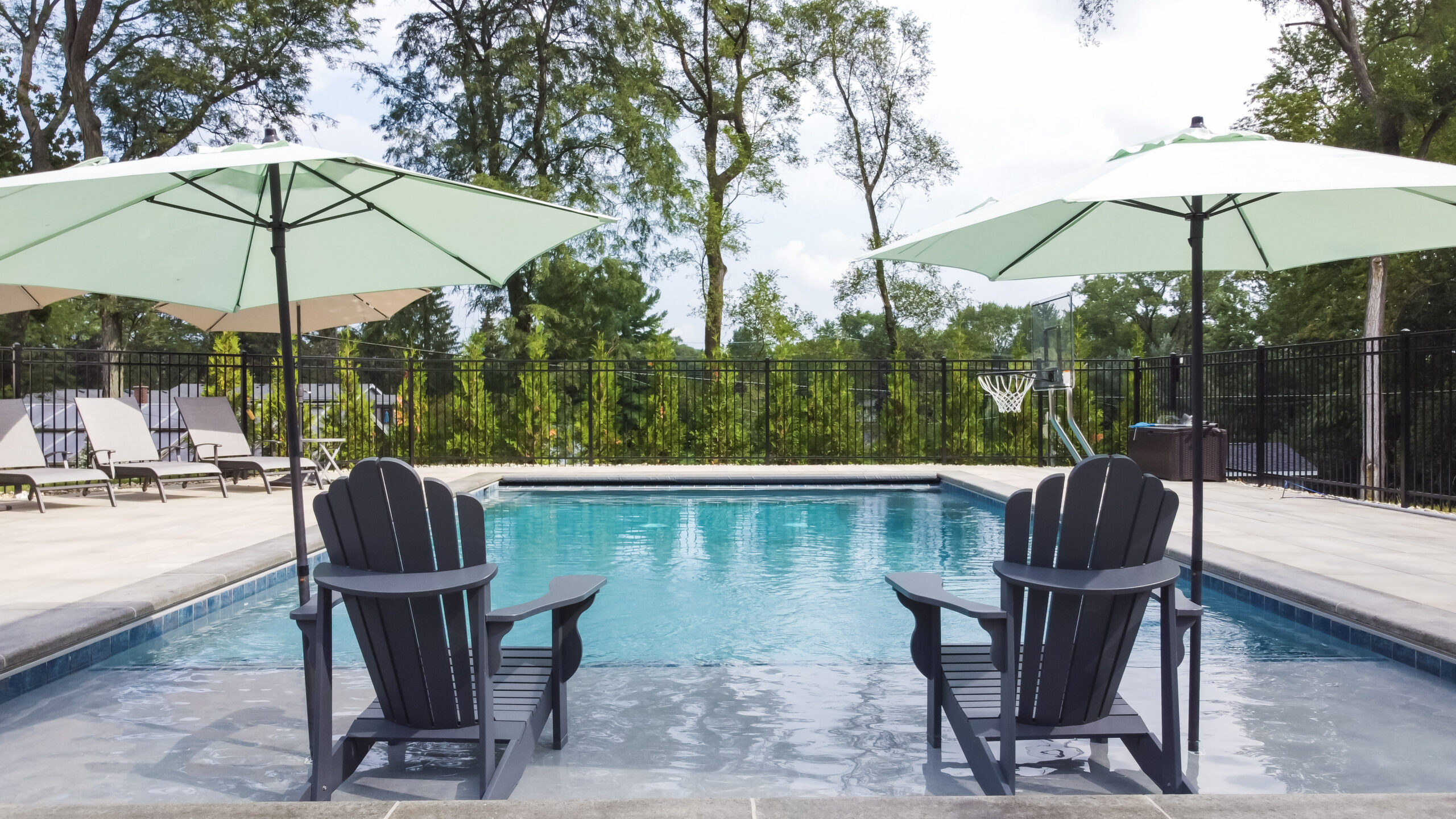
A Mount Prospect homeowner should check the governing code, the permit requirement and the inspection schedule with the village building department before a single pole is bought. The village's current fence ordinance (Municipal Code 14.318) is the published source for its swimming-pool fence provisions, and the approved plan is what the inspector holds in hand at the final visit.
A short pre-start list:
- Confirm the property falls under Mount Prospect rather than an adjoining village; code specifics differ between suburbs.
- Ask what the permit application needs: site plan, product specification, gate hardware details.
- Ask where the barrier height is measured from and whether the house wall or an existing yard fence can form part of the enclosure.
- Ask how inspections are scheduled and how long the wait runs, so the season is not lost to a queue.
- Read the manufacturer instructions end to end before the delivery arrives.
Do not borrow a height or a gap dimension from another state's code or a product review; the current municipality and the approved plan control.
When does it make sense to call in a professional?
A professional makes sense when the material is permanent, the yard is anything other than flat and open, or the fence has to pass inspection at the initial visit because the pool season depends on it. Those conditions cover most inground pools in the northwest suburbs, where grade changes, patios, existing fences and property-line setbacks turn a simple perimeter into a layout problem.
That layout is what the pool fence installation page covers next: how an installer plans the fence line around the deck and landscaping, matches gate positions to the way the family actually moves through the yard, selects hardware that meets the current code, and carries the drawings through the village permit and the final inspection. The decision on that page is not whether a fence is needed; it is how the fence gets built so it is approved once.
Sources: poolfence.com (checked 2026); U.S. CPSC Pool Safely (checked 2026); Mount Prospect Municipal Code section 14.318 (current edition, checked 2026)
Want the fence to pass inspection the first time?
The installation page explains how a professional layout handles the permit, the hardware and the inspection so the barrier is approved once. Read it before you buy a kit.