Pool Cost Planning
Pool cost · Guide
Does an inground pool add value to a home in the Chicago suburbs?
A pool changes how a house feels to live in; whether it changes what the house sells for is a narrower question with a more modest answer. Start with the question every owner asks first, how much does an inground pool cost, then read this page for what a future sale is likely to give back.
An inground pool adds a modest amount to a home's resale value nationally, returning only part of its build cost at sale, with cold-climate markets like the Chicago suburbs generally seeing less uplift than the Sun Belt.
Does adding an inground swimming pool add value to a home, and by how much?
Adding an inground swimming pool adds a modest, condition-dependent amount to a home's value, and almost never as much as the pool cost to build. Opendoor (2026) reports that an inground pool typically adds 5 to 8 percent to home value nationally. Opendoor (2026) also puts typical pool ROI at 40 to 60 percent of installation cost recovered at resale, which means a homeowner recoups roughly half of the investment when the house sells. Both figures point the same way: at sale, a pool is a partial offset against what it cost, not a return on it.
Read those figures the way an appraiser would. A pool is one improvement among many, and its contribution depends on the house, the street and the buyers active at the moment of sale. The hope that a pool will pay for itself is the gap this page is meant to close before you set a budget, not after.
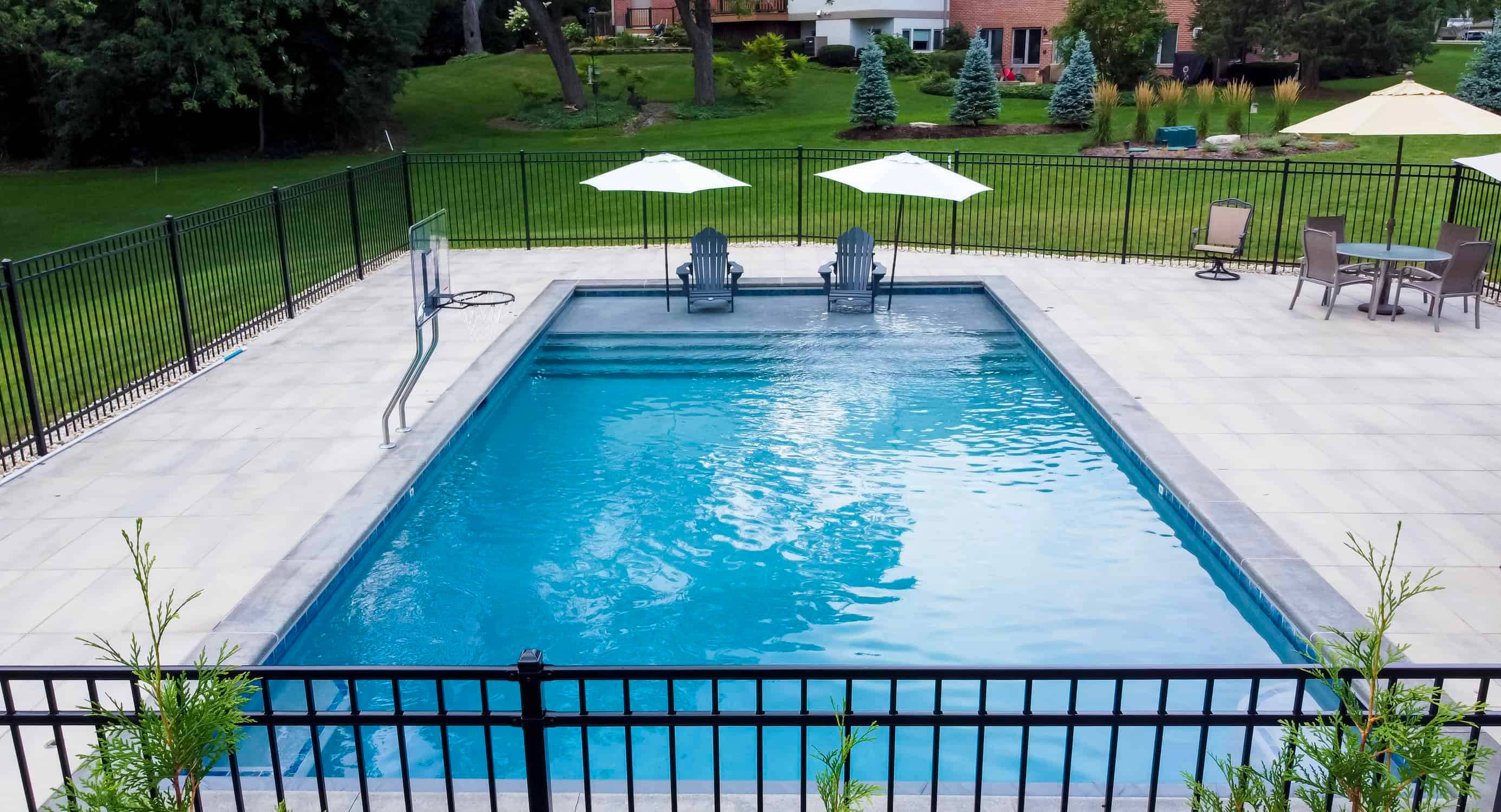
How is the improvement factored into an appraisal?
An appraiser treats a pool as a permanent site improvement and works through it in a fixed order: confirm it is permitted, assess its condition and age, note the installed features, then look for comparable sales nearby with and without pools. Permitted status comes first because an unpermitted pool can be a liability rather than an asset; a buyer's lender may want proof that the barrier, the electrical work and the setbacks were inspected. Condition and age come next. A well-kept pool with a sound shell, working equipment and a clean deck reads as an amenity, while a dated or non-functioning one reads as a project the buyer will have to fund.
Installed features such as a heater, lighting, automation or an integrated spa are noted, but they are valued as part of the whole rather than added up line by line. The comparable-sales step is where the number is actually set. If nearby homes with pools have sold for more than similar homes without them, that gap becomes the pool's contribution. If the comparables show no gap, the appraiser will not invent one, however much the construction cost. That is why identical pools on different streets can carry very different appraised values.
Do inground pools increase home value more than an above-ground pool does?
Inground pools are treated differently from above-ground pools at sale, mainly through permanence and condition: an inground gunite or fiberglass pool is a fixed part of the property, while an above-ground pool is generally something a seller could remove. National resale sources are written about inground pools, and the uplift figures above apply to them. Gunite and fiberglass shells are both treated as long-lived improvements; the material matters less at appraisal than whether the shell, plumbing and finish are in good order. A vinyl-liner pool is also inground, but a buyer will ask about the liner's age, because it is a known replacement item.
Above-ground pools sit in a different category in most conversations, but the sources behind this page do not establish a universal rule for how they are classified. Ask a local appraiser or Realtor how a specific pool, above-ground or inground, would be treated in your market before you assume either answer.
Will a pool increase home value in a cold climate the way it does in the Sun Belt?
A pool lifts home value less in a cold-climate market than in the Sun Belt because the buyer's math is different: a pool that is swimmable most of the year is an amenity, while a pool that is open for a short season and closed under a cover for the rest is a cost the buyer weighs against the pleasure. National data (Opendoor and Swimply, 2026) shows pools adding 10 to 15 percent or more of value in warm-weather states like Florida, Arizona and Texas, with far less uplift in colder markets, where the impact can be flat and some buyers are put off by maintenance cost and a short usable season.
The Chicago northwest suburbs sit firmly in the second group. That does not mean a pool hurts a sale here; it means the resale case is weaker and the lifestyle case has to carry more of the decision. Regional buyer demand also shifts street by street. A neighborhood where several homes already have pools tends to treat one as expected, while a street with none may see a pool as a niche feature that narrows the buyer pool rather than widening it.
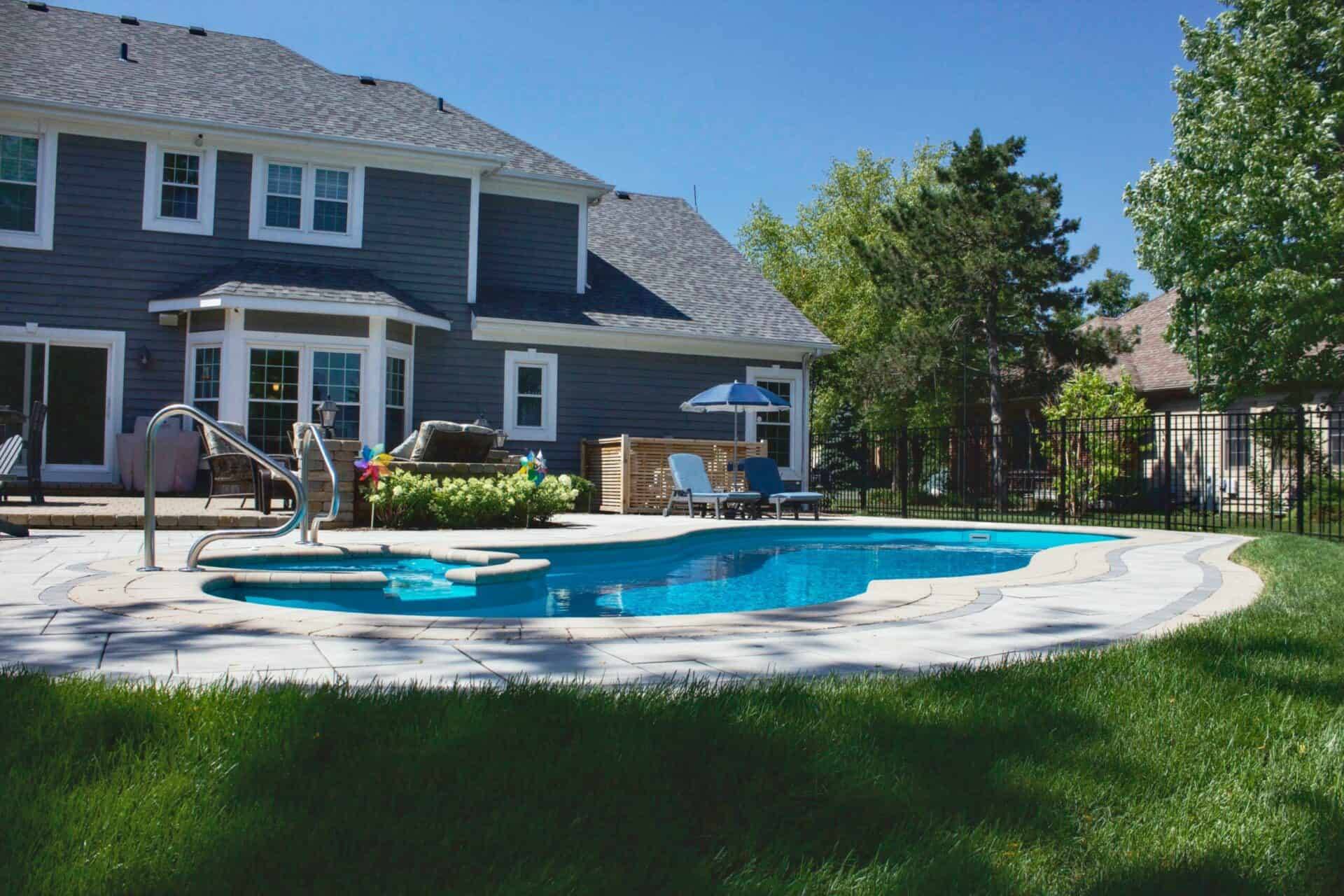
What else changes what a sale gives back?
Neighborhood norms, the condition of the whole yard and the way the project was financed all change what the pool is worth to you at sale, even when the appraisal is the same. Neighborhood prevalence works as described above. Landscaping integration matters because buyers see a finished outdoor space, not a shell: a pool that sits inside a completed deck, planting and lighting scheme reads as part of the house, while one dropped into a lawn reads as unfinished. Renovation of an older pool before listing is a value-preservation step for the same reason, and so is keeping the equipment in working order through the last season before a sale.
Financing sets your real cost basis. A home-equity loan, a HELOC and a personal installment loan carry different rate structures and fees, and the interest paid over the life of the loan is part of what a resale gain has to cover. The Consumer Financial Protection Bureau's consumer guides explain the general differences between those products; the point here is only that the figure you compare against any resale uplift is the total you paid, not the contractor's invoice.
What should this mean for your own project budget?
Resale works as a partial offset, not a return, so size the project to the years you will use it rather than the price you hope to get back. That framing changes the questions that matter. A budget built around lifestyle asks what the family will use daily, which features earn their keep and what the yard can support, with resale as a welcome discount at the end rather than the reason for the build.
The main inground pool cost page is where that budget comes together. It lays out what drives a Chicago-suburb project number, from shell type and size to excavation, decking, fencing and utilities, and how a consultation turns those drivers into a figure for a specific yard. Read the resale figures here first, then price the project against them with clear eyes.
Sources: Opendoor (2026); Swimply (2026); Consumer Financial Protection Bureau consumer guides (undated, checked 2026)
Ready to see what the pool itself would cost?
The main inground pool cost page lays out what determines a Chicago-suburb project budget, so the resale math on this page has a real number to sit beside.